Please click here to check who's online and chat with them.

Find Verified Knitted Woven Garments Suppliers, Manufacturers and Wholesalers

Top Supplier Cities : Dubai   -   Sharjah  
GOLD PLUS Member
Apr-25-23
Supplier From Sharjah, Sharjah, United Arab Emirates
 Inquire Now  
Making wadding and padding materials 7D*64mm HC non silicon polyester staple fiber white color
054310599
Our siliconized fiber mainly can be used in home textile, such as filling sofa, pillow, cushion and winter clothing and non siliconized mainly can be used in non woven fabrics, such as padding, mattress and wadding.
GOLD PLUS Member
Feb-21-23

Polyester Chips For Solar Panel

$1
MOQ: 10000  Kilograms
Sample Available
Supplier From Sharjah, Sharjah, United Arab Emirates
 Inquire Now  
For the production of thin film and solar cell encapsulation substrates with high strength requirement
The solar polyester film can protect the solar panel.
GOLD PLUS Member
Jul-31-23

Flame Retardant Low Melt Fiber

$2
MOQ: 20000  Kilograms
Sample Available
Supplier From Sharjah, Sharjah, United Arab Emirates
 Inquire Now  
This type Chips that is designed to resist burning and melting at low temperatures.
Low Melting Point Polyester Chip for Hot Melt Yarn Masterbatch
Extrusion Grade Polymer for Hot-melt Adhesive Glue Coating
Description:
Generally speaking, the low melting point polyester chip refers to one specialty polymer with a melting point between 90 and 220.
The melting point of polyester is the temperature at which a solid crystalline substance changes from a solid state to a liquid. So it reflects the purity of polyester. Generally speaking, pure polyester is a partially crystalline polymer with a melting point of 265. But during actual production, some impurities exist in the polyester due to various side reactions. At the same time, the defects of polymer crystals and the difference in crystallinity will also affect the melting point. The common type of low melt polymer is 110. But we can also offer a melting point of 90, 120, 160, and 180.

Application:
Low-melt polyester chips can produce low-melting point fiber, low-melting point synthetic fiber, and thermal-melting mucilage. Its primary usage is acting as bonding fiber in nonwoven fabrics. The end usage lies in clothing, articles for bed, shoe uppers, sleeping bags, sofas, and hygiene products.

LM PET Chip is also the main raw material of masterbatch carriers. That is, low-melt PET chips, conventional chips, and dyes are mixed to produce the polyester color masterbatch according to a certain proportion. The production of this product is the introduction of polyester macromolecules into the modified copolymer unit. And its melting point is in the range of 100-120. Commonly used modifiers are phthalic acid, adipic acid, and trimethylolpropane.

Recently, LM Polymer is also extruded into the back coating of nonwoven, automotive interiors, foam, injection molding, PET sheets, and hot-melt adhesive/glue.

Low Melt Yarn is also called hot melt yarn or fusible yarn. There are sheath-core low-melt bicomponent yarn and full low-melt polyester yarn.
GOLD PLUS Member
Jul-31-23

Pe/pet Pe/pp Es Fiber

$2
MOQ: 20000  Kilograms
Sample Available
Supplier From Sharjah, Sharjah, United Arab Emirates
 Inquire Now  
What is pe/pp bicomponent fiber?
PE/PP bicomponent fiber is a type of synthetic fiber that is made up of two different polymers, polyethylene (PE) and polypropylene (PP), which are combined in a single filament.

What are the advantages of using PE/PP bicomponent fiber in textiles?
PE/PP bicomponent fiber offers several advantages in textiles, including improved strength, durability, and moisture management. It also provides a softer feel and can be used in a variety of applications, such as sportswear, outdoor apparel, and home textiles.

What are some common uses of PE/PP bicomponent fiber in the textile industry?
PE/PP bicomponent fibers have several advantages that make them popular in the textile industry. Some of these advantages include:

Improved Strength: PE/PP bicomponent fibers have a higher tensile strength than regular fibers, making them ideal for use in high-stress applications.

Enhanced Durability: These fibers are resistant to wear and tear, making them ideal for use in products that need to withstand daily use.

Improved Comfort: PE/PP bicomponent fibers have a soft texture, which makes them comfortable to wear against the skin.

Moisture Management: These fibers are hydrophobic, which means they repel water and moisture. This property makes them ideal for use in products that need to stay dry.

Some common uses of PE/PP bicomponent fiber in the textile industry include:

Clothing: These fibers are often used in the production of sportswear, outdoor clothing, and other products that require enhanced durability and moisture management.

Home Textiles: PE/PP bicomponent fibers are used in the production of carpets, curtains, and other home textiles that require enhanced strength and durability.

Nonwoven Fabrics: These fibers are used in the production of nonwoven fabrics, which are used in a wide range of applications, including medical products, hygiene products, and filtration materials.

Overall, PE/PP bicomponent fibers offer several advantages that make them a popular choice in the textile industry for a wide range of applications.
GOLD PLUS Member
Oct-05-21
Supplier From Sharjah, Sharjah, United Arab Emirates
 Inquire Now  
The polyester staple fiber machine (PSF plant) takes virgin PET Chips, recycled Bottle Flakes, Popcorn and Lumps, etc., as raw material, with continuous drying (or batch drying through Vacuum Dryer), high pressure melt spinning process engineering and VFD controlled Spinning & Stretching process engineering to produce normal Staple Fibre, High Tenacity Low Elongation Staple Fibre and Hollow Fibre. Single plant capacity is 15T.P.D. to 80T.P.D.
Equipment Technical Data
Titer Range dtex 6.67-16.67
Spinning Pos. nos. 6-24
Spinning Pitch mm 700, 750
Plant Capacity TPD 15-80
Spinneret dia. mm 328, 358, 410
Spinning Mechanical Speed m/min 500-1,500
Spinning Processing Speed m/min 500-1,300
Stretching Mechanical Speed m/min 240
Stretching Processing Speed m/min 230
Total Tow Titer at Stretching dtex 600,000-3,000,000
Stuffer Box Width mm 160-410
Cutting Length mm 25, 32, 38, 44, 51, 64, 76, 101
Bale Weight kg 200-350
Application:
Cushions Pillows Quilts Toys Jacket Mattress Non woven carpet Automotive felts, speaker felts, geo textiles, polyfill wadding, filter fabrics and other acoustics as well.

Spinning Line: Continuous Dryer Hopper Screw Extruder Polymer Pipe Filter Spin Beam (Meter Pump System, Spin Pack, Spinneret) Quenching Unit Interfloor Duct Draw-off Wall Capstan Roller Sunflower Gearing Unit Automatic Fiber Can Device

Drawing line: Can Creel Inlet Thread Guide Tow Guide Stand Dipping Bath 1st Draw Stand Draw Bath 2nd Draw Stand Draw Steam Chest 3rd Draw Stand Tow Stacker Crimper Steam Box Crimper Silicone Oil Sprayer Machine Tow Tension Stand Cutter Fiber Spreading Machine Relaxer Fiber Blowing system Baling Press
125 Knitted Woven Garments Suppliers
Short on time? Let Knitted Woven Garments sellers contact you.
GOLD Member
VERIFIED
Jul-08-24

Gherkins In Pails

$1
MOQ: 15  Metric Tonnes
Sample Available
Supplier From Sharjah, United Arab Emirates
 Inquire Now  
With over 2000 farmers covering 5 regions in Karnataka, we cultivate and process
gherkins, chillies, capsicums, carrots, cauliflower and celery from our FSC 22000 processing plant in India.
Setup by hands-on industry experts with an average of almost 20 years experience each,we have systems and practices in place to ensure our contract farmers achieve the highest yields and our products meet the highest standards expected by our clients.
With the future in mind, all farmers are taught to follow sustainable agricultural practices.
We have implemented practical and scientific post-harvest techniques to ensure that freshness is retained till we pack into barrels.
Our team of qualified field staff, personally monitor all farmers, visiting each twice a week, providing invaluable ongoing support and
guidance, which greatly contributes to greater yields and the overall quality of our produce.
Jul-29-24

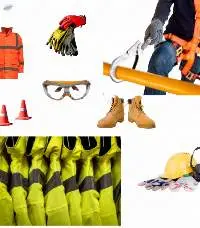
Ppe Items

MOQ: Not Specified
Supplier From Sharjah, United Arab Emirates
 Inquire Now  
PPE Items

Safety Glasses, goggles, face shields
Safety boots, steel-toed shoes
Reflective vests, jackets
Heat-resistant gloves, cut-resistant gloves
Welding helmets, jackets, gloves, aprons
Chemical resistant suits, aprons, coveralls
Safety harnesses, lanyards, anchor points
May-21-20
Supplier From Sharjah, United Arab Emirates
 Inquire Now  
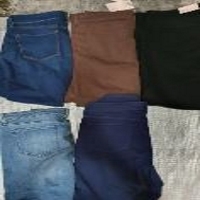
Product Description :
Ladies Jeans , comes in wide vairty of colors and designs, Big size and Normal size must be sold together. 9100 Kg available.

Price of product ( USD price or FOB price) :
$8/Kg

Product origin :
USA

Key Specifications/Special Features :
Soft Texture , branded

Minimum Order Size and Packaging details :
25 Kg / Bag
Multiple of 200 Kgs
Apr-19-12

Garments

MOQ: Not Specified
 Inquire Now  
We trade in garments, flags, and fabric, also our company trade in all kind of scrap item.


Depend on order.
Sep-10-07
 Inquire Now  
Knitted garments

All the products are made in uae

Standard packing and can also be done as per customer requirments
Aug-21-20
Supplier From sharjah, Sharjah, United Arab Emirates
 Inquire Now
Feb-11-21

Vintage Clothes

MOQ: Not Specified
Supplier From Sharjah, United Arab Emirates
 Inquire Now  
MS Group offers vintage clothes for men and women. We specialize in supplying small volume vintage clothes for wholesalers and retailers. We pride ourselves on being able to provide a wide range of vintage clothing and accessories items, including vintage boots and shoes.

With our dedicated vintage staff, we are able to continually update our product lines to stay ahead of the latest fashion trends. Our specialty is connecting demand and supply for used goods. We have been doing this for 25 years, and have developed relationships and expertise with buyers and suppliers across the globe.
Apr-25-21
Supplier From Sharjah, United Arab Emirates
 Inquire Now
Jun-29-20
Supplier From Sharjah, United Arab Emirates
 Inquire Now
Aug-23-19
Supplier From Sharjah, United Arab Emirates
 Inquire Now
Nov-08-11
Supplier From Sharjah, United Arab Emirates
 Inquire Now
Jan-29-08
Supplier From Sharjah, United Arab Emirates
 Inquire Now
Jun-25-07
Supplier From Sharjah, United Arab Emirates
 Inquire Now
Aug-10-09
Supplier From Sharjah, United Arab Emirates
 Inquire Now
Jul-09-12
Supplier From Sharjah, United Arab Emirates
 Inquire Now
125 Knitted Woven Garments Suppliers
Short on time? Let Knitted Woven Garments sellers contact you.
See what buyers and suppliers are discussing in Knitted Woven Garments import export community

Knitted & Woven Garments Sourcing Guide: Explore the Global Market For Reliable Suppliers And Exporters


We all agree with the fact that knitted and woven garments are the backbone of the global apparel industry. From soft cotton tees and cozy sweaters to crisp shirts and elegant trousers, these fabrics shape the way the world dresses. The versatility of these garments makes them essential for all seasons and fashion segments. Knitted fabrics are ideal for comfortable, stretchable clothing like t-shirts, leggings, and activewear. And when we talk about woven fabrics, these are perfect for structured pieces such as formal shirts, trousers, and jackets. The major difference between the two is that we make knitted fabrics by interlooping yarns, while woven fabrics are made by interlacing warp and weft yarns. As a result, knitted garments are more breathable because of the larger gaps between threads, naturally wrinkle-resistant, and quicker to produce. Woven garments, on the other hand, wrinkle more easily and have a slower production process, but are usually more durable. 

Businesses looking to expand in apparel sourcing often rely on trusted knitted and woven garments suppliers to ensure consistent quality and supply. If you want to know where to find knitted and woven garments in bulk, you’ve come to the right place. Here, you’ll discover key market insights and learn some of the best ways to find and connect with reliable knitted and woven garments suppliers and exporters worldwide.


What Are the Most Popular Knitted & Woven Garment Varieties in Global Demand?

Both knitted and woven garments have a strong and growing global market. People love knitted fabrics for their flexibility, softness, and warmth, making them popular in everyday and winter wear. And woven fabrics are known for their strength, durability, and crisp look, making them a perfect choice for formal and semi-formal attire. Moreover, the growing shift toward sustainable materials (like organic cotton, recycled polyester, and bamboo) is also creating new sourcing and business opportunities. It is important to note that many wholesale knitted and woven garments manufacturers now offer eco-friendly fabric options to meet the expectations of modern buyers. Here are the most popular varieties that consumers demand. 

Fabric TypeCommon GarmentsKey FeaturesBuyer Insights (What to Look For)
Single Jersey KnitT-shirts, casual dresses, leggingsSoft, stretchable, lightweightIdeal for everyday wear; check GSM (weight) and cotton/spandex ratio for quality.
Rib KnitCuffs, collars, sweaters, babywearExcellent elasticity, textured ribsUsed in stretch areas; ensure dimensional stability after washing.
Interlock KnitPolo shirts, sportswear, babywearThicker, smooth on both sidesDurable and holds shape; good for premium casualwear.
Fleece KnitHoodies, sweatshirts, joggersWarm, soft inside, insulatingBest for winterwear; verify fabric brushing quality and shrinkage control.
Piqué KnitPolo shirts, uniformsTextured, breathable, wrinkle-resistantCommon in corporate wear; ensure colorfastness and uniform texture.
Jacquard KnitFashion tops, sweaters, dressesIntricate patterns, decorativePremium product; check for pattern consistency and yarn quality.
Denim (Woven)Jeans, jackets, skirtsDurable, structured, heavyweightInspect stitching density and wash effects; verify cotton content.
Twill (Woven)Chinos, uniforms, jacketsDiagonal weave, sturdyLess wrinkle-prone; check yarn count and fabric finishing.
Poplin (Woven)Shirts, blouses, dressesSmooth, lightweight, crispGreat for formalwear; ensure even weave and color uniformity.
Canvas (Woven)Workwear, bags, jacketsHeavy-duty, rugged textureIdeal for outerwear; confirm weave tightness and durability.
Linen (Woven)Summer shirts, trousers, dressesBreathable, cool, natural lusterHigh-end look; check for fabric slubs and shrinkage control.
Satin (Woven)Dresses, blouses, eveningwearGlossy front, smooth drapeLuxury appeal; ensure color consistency and soft hand-feel.
Chiffon/Georgette (Woven)Scarves, dresses, blousesSheer, lightweight, flowyFor delicate garments; check transparency and tear strength.
Corduroy (Woven)Pants, jackets, skirtsRibbed surface, warm, thickSeasonal fabric; verify wale count (ridges per inch).
Flannel (Woven)Shirts, sleepwear, winterwearSoft, brushed, warmGreat for cold weather; inspect brushing and shrinkage tolerance.


As you already know, consumer demand for knitted & woven fabrics usually rises during the winter season. Along with sourcing knitted & woven garments, you can also explore related winter wear products to expand your business portfolio and meet diverse customer needs. You should know that many knitted & woven garments suppliers also offer complementary products such as knitted fabrics, knitted gloves, hoodies, knitted jersey fabric, and garment fabrics for production, as well as woven fabrics, woven sacks, and woven carpets for packaging or textile applications. To make your sourcing more efficient, consider partnering with suppliers who provide a full range of clothing & accessories, including men’s clothing and women’s clothing collections such as sweaters, jackets, sweatshirts, gloves, along with garment bags and garment packaging boxes. 


What Are the Best Business Opportunities for Knitted & Woven Garments Buyers?

The knitted and woven garments industry offers immense potential for importers, retailers, and distributors. As fashion cycles evolve quickly, there is constant demand for both basic and premium clothing items.

  1. You can import ready-made knitted and woven garments to rebrand and sell under your own label for retail chains, boutiques, or online stores.

  2. Besides, you can collaborate with knitted and woven garments traders and wholesalers to source eco-friendly, recycled, or organic-fibre garments, thereby meeting the global demand for sustainable fashion.

  3. Do you know that performance-based knit and woven garments like yoga wear, gym wear, and sportswear have year-round demand? Targeting this segment can give you high profit margins.

  4. Also, you can target specialized markets like kidswear, modest wear, uniforms, and plus-size garments with customized designs and small-batch production.


Global Knitted & Woven Garments Trade Overview: Top Exporters and Key Market Trends

The global trade in knitted and woven garments keeps expanding, and there are several reasons behind this trend. Increasing fashion consumption and a growing interest in comfort-focused clothing are the main ones. You can anticipate the forthcoming opportunities from the fact that the global knitted fabric market size stood at USD 32.4 billion in 2024, and it is expected to reach USD 49.1 billion by 2033, growing at a CAGR of 4.3%. In addition to this, you need to understand market dynamics and insights like top knitted & woven garments exporters worldwide to source efficiently and expand your business. Remember, partnering with the right knitted and woven garment distributors, manufacturers, or suppliers is the first step toward long-term business success.


Top Woven Knitted Garment Exporters Worldwide:

Country NameTotal shipments
Vietnam3,032
China1,879
India747

Source: Volza


How to Find Verified Knitted & Woven Garments Suppliers Near Me Or Globally?

Are you looking for simple yet effective ways to find and connect with reliable wholesale knitted and woven garment manufacturers or suppliers? If yes, follow these methods to source cheap knitted and woven garments from trustworthy suppliers.

  • First of all, search online using target keywords like 'knitted and woven garments suppliers near me', 'knitted garments suppliers worldwide', or 'where to find knitted and woven garments in bulk'. You will get the relevant results
  • If the first method doesn't show any relevant results, then the easiest method to find knitted garments suppliers online is through B2B platforms like go4WorldBusiness. They provide access to a list of verified knitted & woven garment suppliers and exporters
  • You can connect with knitted fabric manufacturers directly  through social media channels like LinkedIn or industry-relevant groups on Facebook
  • One of the most effective ways is to visit textile trade shows such as Texworld Paris, Intertextile Shanghai, or India International Garment Fair to meet suppliers face-to-face
  • You can also use trade directories and supplier networks to source woven or cotton knit fabric for winter from reliable suppliers


Frequently Asked Questions:

1. What is the difference between woven and knitted garments?

The main difference between woven and knit garments is that woven fabrics are made by interlacing yarns to create a structured and durable finish, while knit fabrics are made by looping yarns, giving them stretch and flexibility.

2. Which countries are the largest knitted and woven garments exporters?

Vietnam, China, and India are the top woven knitted garment exporters worldwide.

3. How to find knitted and woven garments suppliers?

You can find trusted knitted and woven garments suppliers and wholesalers through online B2B marketplaces like go4WorldBusiness, trade fairs, or by connecting with knitted & woven garments distributors for regional sourcing.

4. Which types of garments are typically made from knitted vs. woven fabrics?

Knitted fabrics are used for items like t-shirts, sweaters, and hoodies. Woven fabrics are used for shirts, dresses, trousers, and blazers.

5. What certifications or compliance standards should suppliers of knitted and woven garments have?

Knitted & woven garments suppliers and exporters should be certified with OEKO-TEX, GOTS, WRAP, or BSCI, in order to ensure safety and ethical manufacturing.

6. How can I verify the quality of knitted and woven garments before placing a bulk order?

You can verify the quality of knitted and woven garments by requesting samples, checking fabric strength, colorfastness, and stitching quality. Moreover, make sure your knitted and woven garments exporter or supplier is verified and has all required certifications. 

7. What are the current global sourcing trends in knitted and woven garments?

The key trends include sustainability, organic fibers, smart textiles, and demand for cheap knitted and woven garments in emerging markets. Buyers are also prioritizing suppliers who offer flexible order sizes and faster lead times.

8. What is the knitted and woven garments HSN code?

Knitted garments come under Chapter 61, and woven garments come under Chapter 62 of the HSN code. It is important to note that exact code varies by product type. For example, T-shirts fall under 6109, and shirts under 6205.