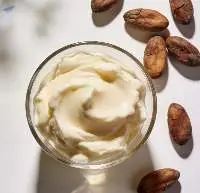
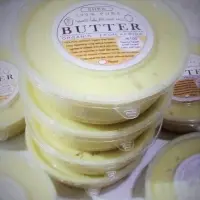
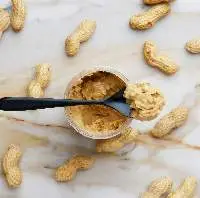
Cold-pressed from the seeds of Theobroma grandiflorum, this soft, ivory-colored butter (melting point ~30C) is incredibly rich in phytosterols. It has the unique capacity to absorb up to 240% more water than lanolin or shea butter.
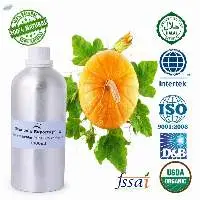
Pumpkin seed oil, also called pepita oil, is the oil extracted from the seeds of a pumpkin (Cucurbita maxima). The rust-colored oil is used in cooking and as a health supplement. Pumpkin seed oil contains fatty acids and phytosterols (a plant compound that interferes with cholesterol absorption in the intestine).
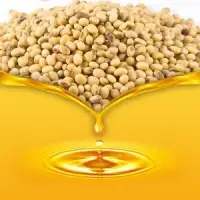
Crude soybean oil is obtained when soybeans are processed for the production of protein products
This oil is very important because of the high content of linoleic acid it has an essential polyunsaturated fatty acid as well as other valuable ingredients it contains such as phytosterols tocopherols antioxidants and fatsoluble vitamins which are very important for the body
Crude Soybean Application
Crude soybean oil is mostly used in the form of manufacturing vegetable oils and vegetable fats in human nutrition after precise refining and hydrogenation Soybean oil and different oil types fats play a significant role for the human organism from the nutritional and physiological point of view
Palm Fatty Acid Distillate (PFAD)
Palm Fatty Acid Distillate (PFAD) is made from refining crude palm oil. It is used for many industries such as soap industries, animal food industries and also is used as raw materials for bio-diesel and chemical industries.PFAD is a by-product from the palm oil production, PFAD has considerable value, and is more or less 100% utilized. It is used as feedstock for many different products for animal feeds, laundry soaps, the oleochemical industry, and combustion for local power/process heat2 PFAD is also a source of vitamin E, squalene and phytosterols - substances valuable for the nutraceutical (dietary supplements and functional foods) and cosmetic industries. These substances may be extracted and isolated from PFAD.
Typical Specification :
FFA : 70% Min
M&i : 1.0% Max
TFM : 95% Min
Packing : 185 KGS Nett In Used Steel Drums
Minimum Order : 18.130 MTS (1 x 20' GP Container)
We offer the below products:
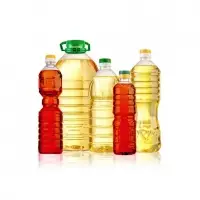
Used Cooking Oil(UCO)
Used Vegetable Oil
Sesame Oil
Corn Oil
Vegetable oil
Soy bean Oil
Sunflower oil
Jatropha Oil
Palm Oil CP8 CP6 CP10
Crude Rapeseed oil and many more
The Amazon forest is home to countless medicinal herbs and plants and is the home of the relatively small but fast growing Catuaba tree known mainly for its aphrodisiac abilities. The tree itself produces yellow flowers and an inedible fruit but it is the bark which is harvested for its medicinal properties and made into supplements.
Catuaba or Anemopaegma mirandum comes from a tree known scientifically as Erythroxylum vacciniifolium which belongs to a larger family of trees. There is quite a bit of confusion regarding the actual tree species harvested for use and products from both the small catuaba and big catuaba trees are used for the same purpose and marketed interchangeably. The bark from the catuaba tree is sometimes referred to as trichilia catuaga.
According to research, catuaba contains tannins, alkaloids like catuabine, fatty resins and aromatic oils. It also possesses certain flavonoids, sesquiterpenes and phytosterols. Research published in 2007 discovered that catuaba bark contained epicatechins which are powerful antioxidants said to have both antibacterial and anticancer properties
It is still used primarily as an aphrodisiac in Brazil. Recently it has started to appear as an ingredient in aphrodisiac supplements in the United States.
Can protect skin cells against cytotoxic activity
Has anti-inflammatory health benefit
Has promising activity against Parkinson’s disease.
Has Antimicrobial and HIV protective activity
Has mood ,vigor and vitality enhancer properties
104 Phytosterol Suppliers
Short on time? Let Phytosterol sellers contact you.
Pumpkin seeds, also known as pepitas, are the edible seeds of a pumpkin or other types of squash. They are a popular snack and a nutritious addition to various dishes. Here are some key points about pumpkin seeds:
Pumpkin seeds are a nutrient-dense food, rich in protein, healthy fats, fiber, vitamins (especially vitamin K and vitamin E), and minerals (including magnesium, potassium, and zinc).
They are also a good source of antioxidants, which can help protect cells from damage.
Nutritional Content:
Heart Health: Pumpkin seeds contain phytosterols, compounds that may help reduce levels of LDL cholesterol.
Magnesium: They are a good source of magnesium, which is important for various bodily functions, including muscle and nerve function, blood sugar regulation, and bone health.
Zinc: Pumpkin seeds are high in zinc, essential for immune function, wound healing, and DNA synthesis.
Health Benefits:
Pumpkin seeds can be enjoyed as a snack either raw or roasted. Roasting them enhances their flavor and provides a crunchy texture.
They are often seasoned with various spices or salt for added taste.
Snacking:
Pumpkin seeds can be used as a topping for salads, yogurt, or oatmeal.
They can be incorporated into baked goods, such as bread or muffins, or used in granola and trail mixes.
Culinary Uses:
Pumpkin seed oil is extracted from roasted pumpkin seeds and is commonly used in culinary applications, particularly in salad dressings.
The oil has a rich, nutty flavor and is also used in traditional medicine for its potential health benefits.
Pumpkin Seed Oil:
Peanut oil is derived from the seeds of the peanut plant (Arachis hypogaea) and is celebrated for its versatile uses in cooking and food preparation.
Nutritional Profile
This oil is primarily composed of glycerides, with a high content of unsaturated fatty acids, particularly oleic and linoleic acids. It also contains phytosterols and vitamins.
Culinary Uses
Peanut oil has a high smoke point, making it ideal for frying and stir-frying. Its distinct nutty flavor enhances various dishes, from Asian cuisines to fried foods.
Health Benefits
Rich in unsaturated fats, peanut oil may contribute to heart health. Its antioxidant properties can also help reduce oxidative stress.
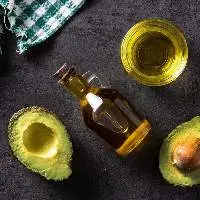
Avocado oil is extracted from the pulp of the avocado fruit, not the seed, distinguishing it from most other vegetable oils. It is highly valued for its nutritional profile, high smoke point, and versatility in both cooking and cosmetic applications.
1. Nutritional and Chemical CompositionHigh Monounsaturated Fat Content: Avocado oil is exceptionally rich in Monounsaturated Fatty Acids (MUFAs), primarily Oleic Acid (typically 55-75%). This is the same healthy fat found in high quantities in olive oil, and it is linked to heart health benefits.Low Saturated Fat Content: It has a low percentage of saturated fats (around 10-15%).Vitamins and Phytosterols:It is a good source of Vitamin E and other fat-soluble vitamins.It contains beneficial plant compounds, including high levels of Phytosterols (like $\\beta$-sitosterol), which may help reduce cholesterol absorption.The oil also contains Lutein, a potent antioxidant and carotenoid that is particularly beneficial for eye health.
2. Physical Properties and StabilitySmoke Point: One of its most distinctive features is its very high smoke point. Refined avocado oil can have a smoke point of up to $270^\\circ\\text{C}$ ($520^\\circ\\text{F}$), making it excellent for high-heat cooking, deep frying, grilling, and roasting without breaking down or producing harmful compounds.Appearance and Flavor:Unrefined (Extra Virgin): Has a vibrant green color due to its chlorophyll content and a rich, buttery, nutty avocado flavor.Refined: Pale yellow and nearly flavorless and odorless, making it suitable for applications where a neutral oil is desired.Texture: It is a liquid oil at room temperature, with a rich, smooth consistency.
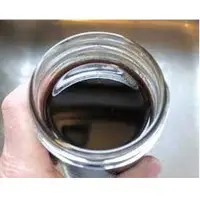
3. Main UsesCulinary: Used as a finishing oil (especially the unrefined type), in salad dressings, and as a versatile cooking oil for high-temperature applications due to its stability.Cosmetic and Skincare: It is highly prized in the cosmetic industry as a deeply penetrating and moisturizing emollient. It is used in creams, lotions, hair care products, and massage oils due to its ability to soothe dry skin..
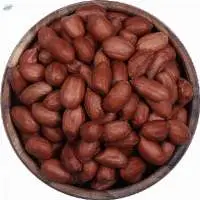
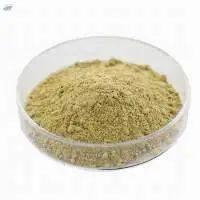
Product name: Phytosterol
INCI Name: PHYTOSTEROLS
Source: Soy and pine
Molecular Formula: C29H50O
Molecular Weight: 414.71
Appearance: Fine Powder or Granule
Purity: 90%; 95%; 98%
CAS NO.: 68441-03-2
Supplier: ZHENYIBIO
Phytosterols in cosmetics can stimulate the production of collagen and help repair the damage of photo-aged skin.Phytosterols also have anti-inflammatory properties and can be used for UV protection,dermatitis treatment and even cancer prevention.They are widely used in burn wound care-phytosterols have been found to improve healing and improve the appearance of scars.The antibacterial activity of plant phytosterols is also very important.Finally,phytosterol powder regulate the transport of cholesterol,which in turn regulates the production of sebum,which may be a good treatment option for acne and other sebum-related diseases.
Product introduction:
Phytosterol, also known as plant sterols, are sterols found in higher plants that contain hydroxyl groups sterol. They all use cyclopentane polyhydrophenanthrene as the basic structure. Can be used in food, medicine, cosmetics, animal growth agent and paper processing, printing, textile and other fields, especially in Europe is used as a food additive is very common, widely used in food to reduce human cholesterol.
Phytosterol can also be used for the prevention and treatment of coronary atherosclerosis type of heart disease, the treatment of ulcer, skin squamous cell carcinoma, cervical cancer and other obvious curative effect.
Phytosterol have a high permeability to the skin, which can maintain moisture on the skin surface. In addition, phytosterols are important steroidal drugs and raw materials for vitamin D3 production.
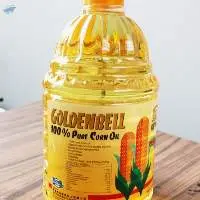
Corn oil is rich in antioxidants, vitamins, minerals, and linoleic acid, an essential fatty acid, which makes it very good for improving skin health. Corn oil is full of phytosterols, also known as plant sterols. Phytosterols are plant-based compounds that are similar to cholesterol and are essential for maintaining healthy cells. Vitamin E is an antioxidant that reduces oxidative damage caused by free radicals, preventing heart disease and heart failure. In addition to improving the health of your blood vessels and arteries.
Studies have shown that people who eat more legumes have a lower risk of heart disease, and the phytochemical found in beans might be partially to thank, since they protect against it. Beans contain a wide range of cancer-fighting plant chemicals, specifically, isoflavones and phytosterols.
LIP BALMS MADE WITH COLD PRESSED SEED OIL TYPES - 100% natural products
Our natural lip balms are made of natural ingedients only providing care at any conditions. The packaging reveals the Zero Waste concept of the production: they are sold in environmentally friendly paper tube containers.
* Lip balm with rosehip seed oil
Rosehip seed oil is one of the most valuable cosmetic ingredient in the world. Our lip balm contains more than 50 % of it! It is, in fact boosted with rosehip fruit extract, shea butter and phytosterols to protect and hydrate the lips.
* Lip balm with grapeseed oil
The main component, the grape seed oil is a very precious oil with high antioxidant (Resveratrol), linoleic acid and polyphenol content. Mixed with high quality, spanish extra virgin olive oil, shea butter and cocoa butter it nourishes, hydrates and protects the lips'' sensitive skin.
Beyond these the lip balm is enriched with phytosterols, that can rebuild the skins natural hydro-lipid layer. The beeswax forms a protective layer to keep the lips hydration. The rosmary and lemongrass natural essential oils give a pleasant, balanced smell to the lip balm.
* Lip balm with regular and slightly hot paprika seed oil
A unique product in two versions: the regular and the slightly hot edition. Paprika seed oil is a perfect skin care oil: it has a very high vitamin E, carotenoid and phytosterol content, and has antioxidant, anti-aging and protecting effects. Due to its capsaicin content it increases the blood flow in the lips brightening their colour and giving them a â?? by women and man well appreciated â?? visual volume. The added sesame and milk thistle seed oil, the shea butter, the avocadin and the bisabolol even increase its nourishing and antibacterial mechanism.
* Lip balm with walnut oil
Walnut oil is a great cosmetic oil, that in addition with the shea- and cocoa butter and the phytosterols nourishes and protects the lips, and have anti-inflammatory and hydrating effects. The scent is lent by the matching sandalwood and clove essential oils.
The oil-rich seeds contain superb organic properties that restore the skin's glow and hair's strength. In addition, they are rich in vitamin B complexes, such as thiamine, niacin, folic acid, pyridoxine, and riboflavin.
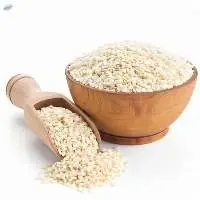
Til contains a considerable amount of calcium. And calcium is an essential nutrient that helps keep the bones and teeth strong.
Multiple studies suggest that eating sesame seeds or sesame oil may help regulate blood sugar. Sesame oil is a highly unsaturated oil, thus its very nature may regulate glucose levels.
Along with numerous vitamins and minerals, sesame seeds also have high-fat content, mainly omega-3 fats, which are good sources of energy.
Til is rich in essential minerals and provides your body with a much-needed dose of copper, magnesium, and calcium.
Sesame seeds are rich in lignans, a plant compound that lowers cholesterol. They also contain phytosterols. Phytosterols are known to enhance your immune response and reduce the risk of certain cancers.
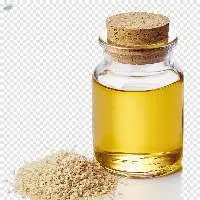
The oil-rich seeds contain superb organic properties that restore the skin's glow and hair's strength. In addition, they are rich in vitamin B complexes, such as thiamine, niacin, folic acid, pyridoxine, and riboflavin. Til contains a considerable amount of calcium. And calcium is an essential nutrient that helps keep the bones and teeth strong. Multiple studies suggest that eating sesame seeds or sesame oil may help regulate blood sugar. Sesame oil is a highly unsaturated oil, thus its very nature may regulate glucose levels. Along with numerous vitamins and minerals, sesame seeds also have high-fat content, mainly omega-3 fats, which are good sources of energy. Til is rich in essential minerals and provides your body with a much-needed dose of copper, magnesium, and calcium. Sesame seeds are rich in lignans, a plant compound that lowers cholesterol. They also contain phytosterols. Phytosterols are known to enhance your immune response and reduce the risk of certain cancers.
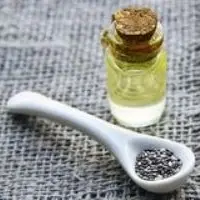
Chia oil is a cold pressed, filtered oil obtained from the seeds of Salvia Hispanica (Chia).
It is well balanced between Omega-3 (alpha-linolenic) and Omega 6 (linoleic) fatty acids at a 3:1 ratio, approximately. Chia seeds are one of the richest sources of Omega 3 fatty acid (Alpha-Linolenic Acid - ALA), therefore the oil typically contains more than 50% alpha-linolenic acid, a skin conditioning and restorative fatty acid that helps speed up skin's barrier repair mechanisms and reduce scaling and dryness for all skin types.
It's also high in phytosterols, which act as anti-inflammatories and cell regenerators, reduce the look of fine lines and wrinkles while increasing moisturizing. In hair care products, phytosterols soften the hair strand and reduce static, resulting in fewer fly-aways.
The oil can be used in the cosmetic industry as ingredients in hair serum, face and body moisturizer, lip creams and anti-aging skin treatments.
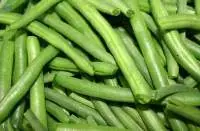
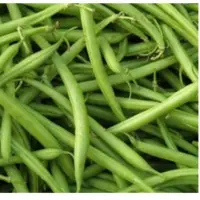
Beans contain a number of cancer-fighting plant chemicals like phytosterols and isoflavones which reduces risk of cancer, it provide the body with soluble fiber which can control blood cholesterol levels, helps in losing weight owing to a slower rise in blood sugar, and manage diabetes by a balance of complex carbohydrates and protein resulting in slow, steady source of glucose instead of the sudden surge, that normally occurs after eating carbohydrates.
Natural Mixed Tocopherols are natural antioxidants which is a natural source form of Vitamin E obtained from vacuum steam distillation of edible vegetable oil products. They are a widely used ingredient in foods, dietary supplements, animal feeds and industrial applications to help protect finished products from the damaging effects of oxidation. In doing so they extend product shelf life and help prevent chemical reactions which can lead to undesirable changes in finished product flavor, odor or color.
Mixed Tocopherols contain naturally occurring mixtures of alpha, beta, gamma and delta tocopherols. Their purpose in nature is to protect the oils and other essential lipids in living products such as seeds. These same natural properties can be used to protect foods and other products.
Mixed Tocopherols are a clear, viscous, brownish-red oil with a mild vegetable oil-like odor. Prolonged exposure to oxygen, light, and/or certain chemicals may result in a gradual darkening. As such it is recommended that normal storage practices for vegetable oils be followed. These should include minimizing contact with air through the use of nitrogen blanketing, avoiding direct sunlight or elevated storage temperatures, and avoiding unnecessary contact with transition metals or alkaline substances.
Mixed tocopherols conform to FCC requirements, are produced under certified ISO 9001, 14001 and 22000 programs, and are certified Kosher and Halal. Soybean or sunflower oil may be added to standardize concentration. Non-GM products are available on request.
Natural Mixed Tocopherols are natural antioxidants which is a natural source form of Vitamin E obtained from vacuum steam distillation of edible vegetable oil products. They are a widely used ingredient in foods, dietary supplements, animal feeds and industrial applications to help protect finished products from the damaging effects of oxidation. In doing so they extend product shelf life and help prevent chemical reactions which can lead to undesirable changes in finished product flavor, odor or color.
Mixed Tocopherols contain naturally occurring mixtures of alpha, beta, gamma and delta tocopherols. Their purpose in nature is to protect the oils and other essential lipids in living products such as seeds. These same natural properties can be used to protect foods and other products.
Mixed Tocopherols are a clear, viscous, brownish-red oil with a mild vegetable oil-like odor. Prolonged exposure to oxygen, light, and/or certain chemicals may result in a gradual darkening. As such it is recommended that normal storage practices for vegetable oils be followed. These should include minimizing contact with air through the use of nitrogen blanketing, avoiding direct sunlight or elevated storage temperatures, and avoiding unnecessary contact with transition metals or alkaline substances.
Mixed tocopherols conform to FCC requirements, are produced under certified ISO 9001, 14001 and 22000 programs, and are certified Kosher and Halal. Soybean or sunflower oil may be added to standardize concentration. Non-GM products are available on request.
Natural Mixed Tocopherols are natural antioxidants which is a natural source form of Vitamin E obtained from vacuum steam distillation of edible vegetable oil products. They are a widely used ingredient in foods, dietary supplements, animal feeds and industrial applications to help protect finished products from the damaging effects of oxidation. In doing so they extend product shelf life and help prevent chemical reactions which can lead to undesirable changes in finished product flavor, odor or color.
Mixed Tocopherols contain naturally occurring mixtures of alpha, beta, gamma and delta tocopherols. Their purpose in nature is to protect the oils and other essential lipids in living products such as seeds. These same natural properties can be used to protect foods and other products.
Mixed Tocopherols are a clear, viscous, brownish-red oil with a mild vegetable oil-like odor. Prolonged exposure to oxygen, light, and/or certain chemicals may result in a gradual darkening. As such it is recommended that normal storage practices for vegetable oils be followed. These should include minimizing contact with air through the use of nitrogen blanketing, avoiding direct sunlight or elevated storage temperatures, and avoiding unnecessary contact with transition metals or alkaline substances.
Mixed tocopherols conform to FCC requirements, are produced under certified ISO 9001, 14001 and 22000 programs, and are certified Kosher and Halal. Soybean or sunflower oil may be added to standardize concentration. Non-GM products are available on request.
104 Phytosterol Suppliers
Short on time? Let Phytosterol sellers contact you.