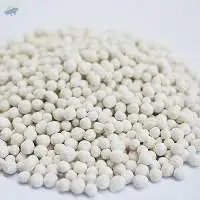
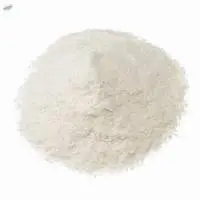
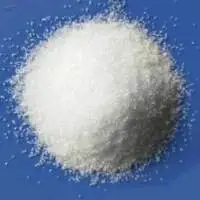
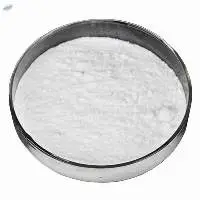
A masterbatch is a concentrated mixture of pigments or additives that are used in the plastics industry to color or enhance the properties of plastic products. It is a cost-effective and efficient way to introduce colorants, UV stabilizers, flame retardants, and other additives into plastics during the manufacturing process. Masterbatches are typically in the form of small pellets or granules that can be easily mixed with the base plastic resin, resulting in a consistent and uniform color or modification throughout the final plastic product. They play a vital role in achieving desired visual and performance characteristics in a wide range of plastic applications, from packaging materials to automotive components and consumer goods.
Magnesium sulfate, commonly known as Epsom salt, is a chemical compound with the formula MgSO4. It is a versatile mineral compound used in various applications. In agriculture, magnesium sulfate is employed as a fertilizer to correct magnesium deficiencies in soil, promoting plant growth and health. In the medical field, it is used as a laxative and in certain medical treatments for conditions like eclampsia and pre-eclampsia during pregnancy. Additionally, Epsom salt is popular in personal care and wellness practices, where it is added to bathwater for its potential muscle-relaxing and soothing properties. Its multi-purpose utility in agriculture, healthcare, and relaxation underscores its significance in different aspects of everyday life.
Glycerine, also known as glycerol or glycerin, is a colorless, odorless, and sweet-tasting liquid with the chemical formula C3H8O3. It is a versatile and widely used compound in various industries. Glycerine has a notable role in the food and pharmaceutical sectors as a humectant, sweetener, and thickening agent. In cosmetics and personal care products, it serves as a moisturizer and skin protectant due to its ability to retain moisture. Glycerine also finds application in the production of explosives, antifreeze, and as a lubricant in various mechanical systems. Its multiple properties, including its non-toxic nature, make glycerine a valuable and safe ingredient in a wide range of consumer and industrial products.
Chlorine is a highly reactive chemical element with the symbol Cl and atomic number 17. It exists as a diatomic gas with a distinct, pungent odor and is widely known for its role as a disinfectant and bleaching agent. Chlorine is extensively used in water treatment to kill bacteria and make drinking water safe, and it plays a crucial role in sanitizing swimming pools. Additionally, it is a key component in the production of a wide range of chemicals, including plastics, solvents, and pesticides. Chlorine's versatile properties and ability to disinfect and oxidize contaminants make it an invaluable resource in public health, industry, and various chemical processes.
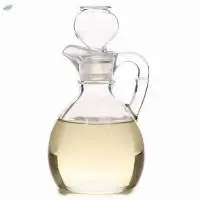
Acetic acid, commonly found in vinegar, is a colorless organic acid with a sharp, pungent odor and a sour taste. It is a crucial component in vinegar production, where it is formed through the fermentation of ethanol by acetic acid bacteria. Acetic acid is widely used in the food industry as a flavor enhancer and preservative, as well as in household cleaning products. It also has industrial applications in the manufacture of various chemicals and plastics. Its distinctive taste and versatile properties make acetic acid a fundamental ingredient in both culinary and industrial processes.
93 Industrial Clothing Suppliers
Short on time? Let Industrial Clothing sellers contact you.
Sodium gluconate is a versatile chemical compound widely employed in various industrial applications. It is primarily recognized for its role as a chelating agent and concrete admixture. In construction, sodium gluconate is added to concrete mixes to enhance workability and reduce water content, ultimately improving the strength and durability of concrete structures. Its chelating properties make it valuable in cleaning products, as it effectively binds with metal ions and prevents them from causing stains or corrosion. Sodium gluconate is also used in the food and pharmaceutical industries, serving as a buffering agent, sequestrant, and stabilizer in various products. Its multifaceted properties contribute to its significance across different sectors.
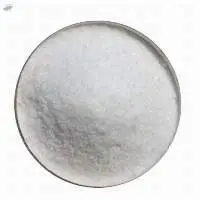
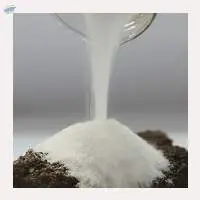
Polyacrylamide is a synthetic polymer composed of acrylamide monomers and is widely used in various industrial, environmental, and scientific applications. It comes in various forms, including powder, liquid, and gel. In water treatment, polyacrylamide is employed as a flocculant and coagulant to separate and remove suspended particles and impurities, aiding in the purification of drinking water and wastewater treatment. Additionally, it plays a crucial role in the petroleum industry for enhanced oil recovery and in agriculture for soil conditioning and erosion control. In the laboratory, it serves as a gel for electrophoresis in DNA and protein analysis. Its versatility in facilitating solid-liquid separation and its ability to modify the rheological properties of fluids make polyacrylamide a valuable polymer in a range of practical applications.
Sodium alginate is a natural polymer derived from brown seaweed, known for its remarkable thickening, gelling, and stabilizing properties. Widely employed in the food industry, sodium alginate is utilized to create gels and provide texture in various culinary applications, such as in the formation of gel-like spheres through molecular gastronomy techniques. It also finds use in the pharmaceutical and textile industries, where it serves as a thickener in liquid medicines and a sizing agent in textile printing, respectively. Sodium alginate's biocompatibility and ability to form gels in the presence of calcium ions make it a versatile and valuable substance in numerous fields.
Sodium hydrosulfite, also known as sodium dithionite, is a powerful reducing agent widely used in industrial applications. Its primary function is as a bleaching agent in the textile and paper industries, where it effectively removes color from fabrics and paper pulp, making it crucial for achieving white and colorfast textiles and paper products. Additionally, sodium hydrosulfite is employed in various chemical processes, such as in the production of certain polymers and in water treatment to remove excess chlorine. Its remarkable reducing properties, which allow it to decolorize and dechlorinate, make sodium hydrosulfite a valuable chemical compound in multiple industrial sectors.
Chlorine dioxide (ClO2) is a chemical compound known for its powerful oxidizing and disinfecting properties. It is commonly used in water treatment to effectively eliminate bacteria, viruses, and contaminants, without producing harmful byproducts often associated with chlorine disinfection. Chlorine dioxide finds extensive application in purifying drinking water, treating wastewater, and sanitizing surfaces in various industries, including healthcare, food processing, and pulp and paper manufacturing. Its versatility, efficiency, and ability to provide safe and effective disinfection without compromising water quality make chlorine dioxide a valuable tool in maintaining public health and ensuring the safety of diverse products and processes.
Stearic acid is a saturated fatty acid that plays a crucial role in various industries, including cosmetics, pharmaceuticals, and the production of candles and soaps. It is recognized for its waxy, solid form at room temperature and its versatility as an ingredient. In the cosmetics and skincare industry, stearic acid is commonly used as an emulsifying agent, thickener, and stabilizer in creams, lotions, and cosmetics, imparting a smooth texture and improving product consistency. In the manufacturing of candles and soaps, it acts as a hardening agent, enhancing the durability and structure of these products. Stearic acid's multifunctional properties make it an integral component in numerous consumer goods, contributing to their quality and performance.
Water treatment chemicals refer to a diverse group of substances used to improve the quality of water for various purposes. These chemicals encompass a wide range of applications, from disinfection with chlorine or ozone to remove harmful microorganisms, to coagulants and flocculants like alum and polymer additives that aid in the removal of suspended particles in wastewater treatment. pH-adjusting chemicals like lime and sodium hydroxide help balance the acidity or alkalinity of water, while corrosion inhibitors protect pipes and equipment. Additionally, scale inhibitors, activated carbon, and ion exchange resins are used to remove impurities and pollutants. Water treatment chemicals play a vital role in ensuring safe, clean, and potable water for consumption, industrial processes, and environmental protection.
Sodium hypochlorite is a chemical compound recognized for its potent disinfectant and bleaching properties. It is commonly found in household bleach and is widely used for water purification, sanitation, and as a cleaning agent. In water treatment, sodium hypochlorite effectively eliminates bacteria, viruses, and algae, making it a crucial component in the disinfection of drinking water and swimming pools. Additionally, it is used in healthcare settings for surface disinfection, and in the food industry to sanitize equipment and food contact surfaces. Sodium hypochlorite's ability to kill microorganisms and remove stains makes it a valuable chemical for a range of applications, particularly in maintaining hygiene and cleanliness in various environments.
Sodium silicate, often referred to as liquid glass, is a versatile inorganic chemical compound with a wide range of industrial applications. It is a colorless, viscous liquid that solidifies when exposed to air or heat. Sodium silicate is used as a binding agent in industries such as construction, where it binds together particles in cement and refractory materials, and in the automotive sector for manufacturing brake linings and foundry molds. It also finds use in detergents and soaps as a corrosion inhibitor and emulsifying agent, and in water treatment processes to control pH levels and precipitate impurities. The varied properties and applications of sodium silicate make it a valuable component in several industries.
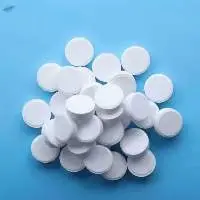
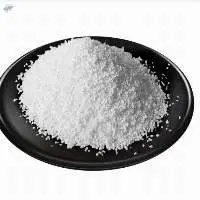
Calcium hypochlorite is a chemical compound with the formula Ca(ClO)2, commonly used as a powerful disinfectant and sanitizer. It is often found in the form of white granules or tablets and is a key ingredient in various water treatment processes, including the purification of swimming pool water, drinking water, and wastewater. Calcium hypochlorite releases chlorine when dissolved in water, which effectively kills bacteria, viruses, and algae, making it an essential tool for maintaining water quality and safety. Additionally, it is employed in sanitation and cleaning applications, particularly in industries like healthcare, agriculture, and food processing, where its strong oxidizing properties help control and prevent the spread of infections and contaminants. Its role in ensuring clean and safe water supplies and hygienic environments makes calcium hypochlorite a critical chemical compound for public health and sanitation.
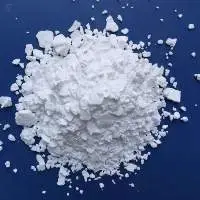
Calcium chloride is a white crystalline chemical compound with the formula CaCl2, widely used for its versatile properties in various industries. It is a highly hygroscopic substance, meaning it readily absorbs moisture from the air, making it effective for dust control on roads and as a de-icing agent to prevent the formation of ice on roadways in cold climates. Calcium chloride also finds application in the food industry as a food additive, primarily as a firming agent in canned vegetables and as a calcium source in certain food products. In addition to its industrial and culinary uses, it is employed in concrete production to accelerate the setting time of cement and in drilling fluids for oil and gas well drilling. Its ability to control moisture, lower freezing points, and serve as a calcium supplement underscores its importance across multiple sectors.
Anionic polyacrylamide is a water-soluble synthetic polymer with negatively charged functional groups, widely used in industries and environmental applications. Its main role is as a flocculant and coagulant in water treatment processes, where it aids in the aggregation and settling of suspended particles, impurities, and solids, facilitating their removal and purification from water sources. Beyond water treatment, anionic polyacrylamide has applications in enhanced oil recovery in the petroleum industry, soil conditioning for agriculture, and enhancing particle retention and drainage in the paper and textile industries. Its versatility in improving solid-liquid separation and reducing environmental contamination makes it a critical component in various industrial and environmental processes.
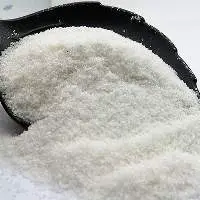
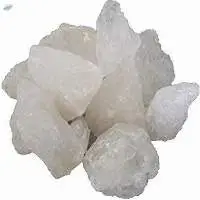
Alum, also known as aluminum sulfate, is a chemical compound with the formula Al2(SO4)3. It is widely recognized for its versatile applications in various industries. Alum is commonly used as a coagulant in water treatment processes to clarify turbid water by removing suspended particles. Additionally, it has a history of use in pickling to crisp fruits and vegetables and as an ingredient in baking powder for leavening. Alum also finds use in cosmetics, textiles, and as a mordant in dyeing processes. Its astringent properties have made it a traditional remedy for various skin conditions. Overall, alum's ability to form solid precipitates and its diverse range of applications make it a valuable chemical compound in both industrial and household settings.
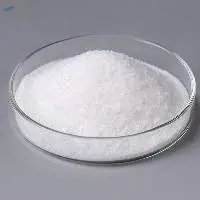
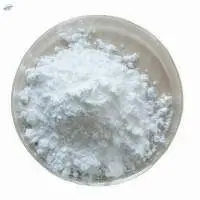
Sodium gluconate is a sodium salt of gluconic acid, a compound derived from glucose, and is often used in various industrial and pharmaceutical applications. It is a white, odorless powder that is highly soluble in water. Sodium gluconate is valued for its chelating properties, which means it can bind to and stabilize metal ions, making it a common ingredient in cleaning products, detergents, and industrial descaling agents. Additionally, it is used in the food industry as a food additive and sequestrant to control the texture and acidity of products. Furthermore, sodium gluconate is employed in medicine as a drug or supplement and has applications in construction as a water-reducing agent in concrete admixtures due to its ability to improve the workability and strength of concrete mixtures.
Garbage bags, also known as trash bags or refuse sacks, are essential household items designed for the containment and disposal of waste materials. Typically made from durable plastic, they come in various sizes to accommodate different types of trash bins. With their sturdy construction and often leak-resistant properties, garbage bags provide a convenient and hygienic solution for managing household and commercial waste. They play a crucial role in maintaining cleanliness and orderliness in homes, offices, and public spaces, offering an efficient way to collect, tie up, and dispose of garbage safely and responsibly. Additionally, some advanced options may feature features like drawstrings or scented materials for added convenience and odor control. Garbage bags are a fundamental tool in waste management and contribute to a cleaner and more organized living environment.
93 Industrial Clothing Suppliers
Short on time? Let Industrial Clothing sellers contact you.