Sesame Seeds Sourcing Guide: Explore the Global Market for Reliable Suppliers and Exporters
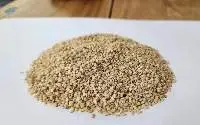
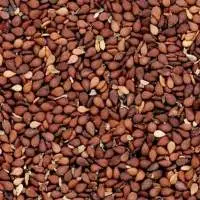
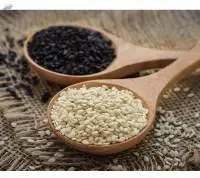
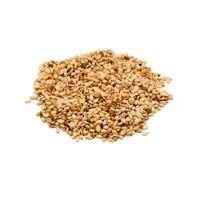
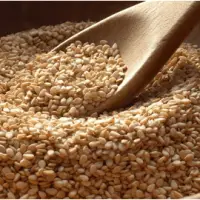
Sesame seeds, also known as til seeds, are a global staple oilseed that is highly nutritious and is widely used in cuisines for their nutty flavour worldwide. The most commonly used seed types are black, brown and white in colour. Sesame seeds are a global favourite due theor versatility in bakery, confectionery and health foods.
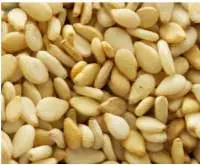
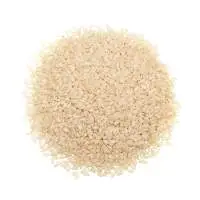
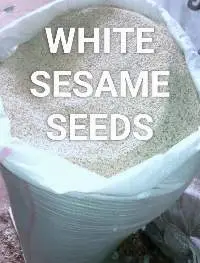
Hulled white sesame seeds are in the highest global demand amongst the types of sesame seeds, followed by organic sesame seeds, due to the growing demand for certified organic seeds.
Today, buyers can source sesame seeds from multiple origins, with suppliers offering different varieties based on colour, purity, oil content, and intended use. The availability of bulk packaging, private labelling, and certified produce has further strengthened the role of sesame seeds in international trade. With year-round demand and diverse applications, sesame seeds present a stable and profitable product category for sesame seed suppliers, sesame seed exporters, sesame seed traders, and sesame seed wholesalers worldwide.
What Are the Most Popular Sesame Seed Varieties in Global Demand?
Before sourcing, buyers should understand that sesame seeds are traded in multiple varieties, each catering to different end uses, quality standards, and regional preferences. As an important medicinal and edible homologous food, sesame is used in various aspects of daily life, such as food, feed, and cosmetics. Demand for sesame in food applications is increasing rapidly. Most sesame seeds wholesale suppliers focus on quality parameters such as oil content, purity, moisture level, and origin to meet international standards. Here are the most commonly traded sesame seed varieties worldwide:
| Category | Sesame Seed Variety | Key Characteristics | Common Use | Buyer & Importer Insights |
| Natural Seeds | White Sesame Seeds | Mild flavour, high oil content | Bakery, confectionery, cooking | Highest global demand; preferred for food-grade use |
| Natural Seeds | Black Sesame Seeds | Rich aroma, antioxidant-rich | Asian cuisine, health foods | Premium pricing; strong demand in East Asia |
| Natural Seeds | Brown Sesame Seeds | Earthy taste, slightly bitter | Oil extraction | Cost-effective for processing industries |
| Hulled Seeds | Hulled Sesame Seeds | Outer shell removed, clean look | Bakery toppings, snacks | Popular in Europe & Middle East |
| Unhulled Seeds | Natural Sesame Seeds | High fibre, intact hull | Tahini, oil crushing | Preferred for traditional food products |
| Processed | Roasted Sesame Seeds | Enhanced flavor profile | Ready-to-eat foods, seasonings | Higher margins; value-added category |
| Oilseeds | High Oil Content Sesame | 48–52% oil yield | Edible oil production | Ideal for oil mills and bulk buyers |
Sesame seeds are part of a broader agricultural and oilseed ecosystem that allows buyers to diversify sourcing and maximise margins. Along with sesame seeds, global traders often deal in sesame oil, cold-pressed sesame oil, and refined sesame oil. Buyers also expand into seeds, ajwain seeds (carom seeds), groundnuts, mustard seeds, sunflower seeds, cumin seeds, coriander seeds, soybean seeds, niger seeds, castor seeds, rape seeds, jatropha seeds, spice, and spice seeds, creating a well-rounded agri-product portfolio for food processors, retailers, and institutional buyers.
What Are the Best Business Opportunities for Sesame Seeds Buyers?
Buyers of sesame seeds have an excellent business opportunity driven by rising global health consciousness, with the market projected to reach 9.6 billion by 2034. Buyers can easily buy sesame seeds in bulk from verified sesame seed distributors, sesame seed dealers, and top sesame seed manufacturers who offer consistent quality, export-ready packaging, and competitive sesame seeds wholesale price options. Sesame seeds present diverse opportunities across the value chain, making them attractive for both new and experienced traders:
- Bulk Import & Distribution: Supplying sesame seeds to bakeries, food processors, oil mills, and wholesalers ensures steady year-round demand.
- Edible Oil Processing: Sesame oil production offers high margins, especially for cold-pressed and organic variants.
- Value-Added Products: Buyers can diversify into roasted sesame, tahini paste, seasoning mixes, and packaged retail products.
- Retail & Private Labelling: Buyers can source from sesame seed retailers and top sesame seed manufacturers to launch branded packs.
- Organic & Speciality Markets: Certified organic, non-GMO, and pesticide-free sesame seeds fetch premium prices globally.
Global Sesame Seeds Trade Overview: Top Exporters and Key Market Trends
The global sesame seeds market continues to grow, driven by increasing demand for plant-based nutrition, healthy oils, and ethnic cuisines. Sesame seeds are actively traded across Asia, Africa, the Middle East, Europe, and North America.
Top exporter of Sesame Seeds:
| Country | Shipments |
| India | 19,368 |
| Pakistan | 6,598 |
| Nigeria | 6,345 |
Source: Volza
Key market trends:
- Rising demand for organic and traceable sesame seeds
- Growth in Middle Eastern and Asian food imports
- Increased focus on cleaned, sorted, and hulled sesame
- Expansion of value-added sesame products
- Greater interest in long-term sourcing partnerships
How to Find Verified Sesame Seed Suppliers Near Me or Globally?
Finding reliable sesame seeds wholesale suppliers is essential for quality assurance and consistent supply. Buyers can use the following sourcing methods:
- Connect with verified sesame seed suppliers, sesame seed distributors, and sesame seed dealers on trusted B2B platforms like go4WorldBusiness
- Attend global food and agriculture trade fairs such as Gulfood, Anuga, SIAL, and World Food India
- Use search terms like “buy sesame seeds in bulk”, “sesame seeds wholesale suppliers”, “black sesame seeds suppliers” or “natural sesame seeds suppliers near me”
- Work with sourcing agents experienced in agricultural commodities
- Always check certifications, samples, export history, and logistics capability
Frequently Asked Questions (FAQs)
1. What are the main types of sesame seeds traded internationally?
The most commonly traded sesame seeds are white hulled sesame, brown and black sesame seeds.
2. Which countries are the largest exporters of sesame seeds?
The largest exporters of sesame seeds by shipment are India, Pakistan and Nigeria.
3. What is the best time to source sesame seeds?
The best time is immediately after harvest, typically October to January, when supply is high, and sesame seeds wholesale prices are most competitive. Quality and availability are also better during this period.
4. What is the difference between hulled and natural sesame seeds?
Hulled sesame seeds have the outer shell removed and are lighter in color, ideal for bakery and confectionery. Natural (unhulled) sesame seeds retain the husk, offering higher fibre and stronger flavor.
5. How do I verify the quality of sesame seeds before purchasing?
Check lab test reports, request pre-shipment inspection, and review parameters like moisture, purity, oil content, and absence of contaminants from verified sesame seed suppliers.
6. What are the standard quality requirements for sesame seeds?
Export-quality sesame seeds typically require 98–99.95% purity, =7% moisture, uniform color, and compliance with food safety regulations of the importing count
7. Do buyers require ETO or steam sterilisation for sesame seeds?
Many buyers, especially in Europe and the US, prefer steam sterilisation to reduce microbial load. ETO treatment may be required based on destination regulations and buyer specifications.
8. What certifications should I look for in a sesame seed supplier?
Reliable sesame seed exporters should hold ISO 22000, HACCP, FSSAI, APEDA, and for specific markets, Organic, Kosher, or Halal certifications.
9. Which regions import the highest volumes of sesame seeds for food processing and retail markets?
Major importers include Europe, China, Japan, South Korea, the Middle East, and the USA, driven by demand from the bakery, oil processing, and retail food sectors.
10. What moisture, purity, and oil content levels are standard for export-quality sesame seeds?
Standard export specifications include =7% moisture, 98–99.95% purity, and 48–52% oil content, depending on the origin and variety.
11. How long is the shelf life of sesame seeds during international transportation?
Sesame seeds generally have a 12–24 month shelf life when stored in cool, dry conditions and packed in moisture-resistant export packaging.
12. What are the requirements for importing sesame seeds to the European market?
EU imports require compliance with EFSA norms, low pesticide residues, microbiological safety, proper labelling, and often steam sterilisation and traceability documents.