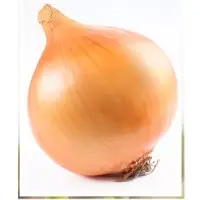
We size our onion according to the USDA when the size and the maturity are at the right stage we will harvest and undercut the bulbs and let them dry in the fields until it is lost 5-8% of the weight after harvest then the product its transported to the packing shed where it is sorted and bagged in a automated process.
Quality
We only pack mature fairly firm and well shaped onions, free from decay, wet sunscald, doubles and bottlenecks. Free from damage caused by seeds items, splits, dry sunken areas, sunburn, and sprouting, staining, dirt or any mechanical damage or disease and insect caused defects.
Temperature
Optimum conditions for field curing are when temperatures are at least 24 C degrees (75 F) or exposure for 12 hours up to 30 to 45C (86 to 113F) for forced air-curing. Storage of mild onions will last up to .5 to 1 month at 0 C (32F) and pungent onions will last from 6 to 9 months at 0C (32F).
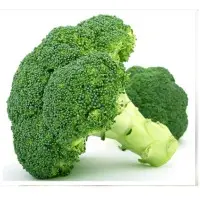
Different presentation in broccoli will include bunches (14 and 18), crowns, china cut crown and florets. Packed in our harvesting machines in the fields will be transported to the packing shed to cool it in the vacuum cooler or iced in the ice injector depending how our customers prefer it.
Quality
Good quality broccoli shuld have dark or bright green closed florets. The head should be compact, with a cleanly cut stalk of the required length. There should be no yellow florets and there should be no discoloration on the stem bracs.
Temperature
Low temperature is extremely important to achieve adequate shelf life in broccoli. A temperature of 0 is required to optimize broccoli storage life (21 - 28 days). Heads storage at 5 can have a storage life of 14 days; storage life at 10 is about 5 days.
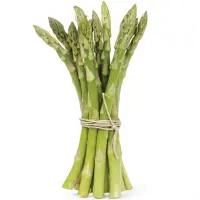
Asparagus has been used as a vegetable owing to its distinct flavor, and in medicine due to its diuretic properties and its purported function as an aphrodisiac. It is pictured as an offering on an Egyptian frieze dating to 3000 BC.
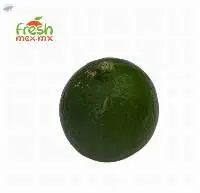
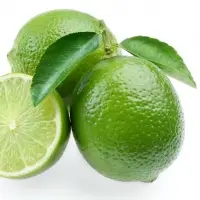
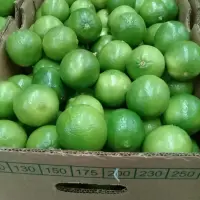
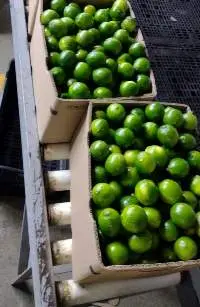
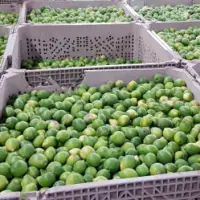
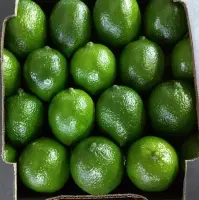
The persian lime is an oval-shaped fruit usually about 3 to 6 centimeters (1 2.4 inch.) in diameter, depending its caliber, with a vivid green rind which turns yellow when ripe and often with slightly nippled ends.
Is an annual herb in the family Apiaceae. It is also known as Chinese parsley, and in the United States the stems and leaves are usually called cilantro. All parts of the plant are edible, but the fresh leaves are the parts most traditionally used in cooking.
Most people perceive the taste of coriander leaves as a tart, lemon/lime taste.