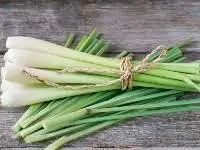
Lemongrass is a fragrant tropical grass widely valued for its fresh citrus-like aroma and versatile applications in culinary, herbal, and wellness uses. It is commonly used in food preparation, beverages, essential oil extraction, and natural aromatherapy products. The plant is known for its long, slender green stalks and fibrous texture, which release a refreshing lemon scent when crushed or cut.
Specifications:
Product Type: Aromatic herbal grass
Botanical Name: Cymbopogon citratus
Appearance: Long, tubular green stalks with layered outer leaves
Aroma: Fresh, strong citrus-like fragrance
Flavor Profile: Mild lemon flavor with subtle herbal undertones
Texture: Fibrous and firm stalk structure
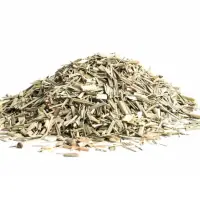
Usage Forms: Fresh stalks, dried leaves, chopped or powdered form
Applications: Culinary seasoning, herbal tea preparation, essential oil extraction, natural flavoring agent
Storage Condition: Store in a cool, dry place or refrigerated environment to maintain freshness
Shelf Life: Varies depending on storage method and form, generally longer when dried
Processing Method: Cleaned, trimmed, and naturally processed without artificial additives
Moisture Content: Controlled to preserve quality and prevent spoilage
Packaging Type: Sealed hygienic packaging to retain aroma and freshness
Lemongrass is widely appreciated for its refreshing sensory profile and adaptability across multiple uses, making it a valuable natural ingredient in both traditional and modern applications.
Overview
Lemon Grass is an herb that has a pungent citrus flavour hence why it is called lemon grass. It is widely used in Asian cuisine and for medicinal purposes worldwide. It is also most commonly used in teas and the dry form, whether powder or pieces is easy to store for daily or occasional use.
Common Uses
In its dry form, it is used for meat rubs. It gives exceptional depth to curries and stews and is very popular in dishes that come from the Asian Continent. Using lemon grass with poultry, meat, fish and seafood adds acidity to the flavours. In African countries, it is mostly used as tea. The oil extracts are used as a preservative of foods.
Recommended Storage
The most important point is that dried herbs and spices can never go bad if they are kept dry. Yes, the potency is lost, but it will still influence the flavor of your cooking.
Seeds, roots, leaves and flowers last longer than crushed or ground herbs and spices. When you are preparing to store your dry herbs and spices it is vital that they are completely dry. A good indication is to rub it with your finger to check if it crumbles. As oxygen degrades dried herbs and spices over time, you should store them in airtight containers. Glass jars with sealable lids are perfect, and so are metal tins. Plastic won't do for long terms storage. Sunlight also degrades dried herbs and spices; therefore, it should be stored in a dark cabinet that is both cool and dry. If your spice rack is near the stove or cooker, steam will degrade your herbs and spices each time you open the container while cooking. When buying in bulk, you should always store only some of the dried herbs and spices in a glass or metal container. Each time you open it, it is exposed to the elements. When buying in bulk it is useful to label your containers with the purchase date and discard date.
Overview
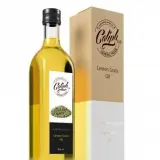
Lemon grass oil is most commonly used as an aromatherapy oil to kill bacteria, relief muscle pain and reduce body aches. It can also be consumed in tea to aid with digestive issues.
Common Uses
The most common uses of Lemon Grass Oil are for massages, to ward of insects, for an aromatic scent when used in a diffuser and in cosmetics to fragrance soaps and lotions. In cooking, lemon grass oil is used to flavour soups and stews as many people don't like the stocky consistency of fresh lemon grass.
Recommended Storage
The ideal storage of essential oils is to keep it refrigerated, as the fridge keeps the components that make up the oils at their optimal levels. If you don't have space in the fridge, you can keep it in a cool, dark place. Essential oils have a shelf life of one to five years. You should however replace essential oils after three years to gain the most benefits out of the essential oils