Please click here to check who's online and chat with them.

Find Verified Stainless Steel Pipes Pipe Fittings Suppliers, Manufacturers and Wholesalers

Top Supplier Cities : -   Shenzhen   Shanghai  
Apr-14-23

Inconel 725

$40.00K - $45.00K
MOQ: 200KG  Metric Tonnes
Sample Available
 Inquire Now  
Inconel Alloy 725 (UNS N07725) is a nickel chromium molybdenum niobium alloy with high corrosion resistance and age hardening to very high strength. Its composition is similar to Inconel 625 alloy. Inconel 625 is an alloy widely used in various corrosive environments. Its strength can be improved by cold work hardening and has been used for small bolts. Inconel 725 alloy basically has the same corrosion resistance as Inconel 625 alloy, but Inconel 725 alloy is an alloy that is age-strengthened by a heat treatment process. Since the stress of Inconel 725 alloy is through heat treatment instead of cold working, the plasticity and toughness are still high, and it is suitable for making high-strength, high-corrosion-resistant parts.
Here are the common national standard designations of Inconel 725:
US standard designations: UNS N07725, AMS 5660, AMS 5832, AMS 5772, AMS 5796, AMS 5581, ASTM B805, ASTM B805, ASTM B805. European standard designations: EN 2.4668, EN 10269, EN 10272, EN 10216-5, EN 10250-4, EN 10263-4, EN 10297-2, EN 10302, EN 10312, EN 12266-1, EN 12560-6, EN 13480-3, EN 13480-5, EN 13544-2, EN 1592-4. German standard designations: DIN NiCr22Mo9Nb, DIN 2.4627, DIN 17742, DIN 17744, DIN 17752, DIN 17754, DIN 17751. Japanese standard designations: JIS NCF725, JIS G4902, JIS G4941, JIS G5502, JIS G5122. Chinese standard designations: GB/T UNS N07725, GB/T 14992, GB/T 15001, GB/T 15003, GB/T 15004, GB/T 21833.

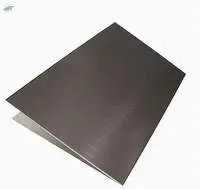
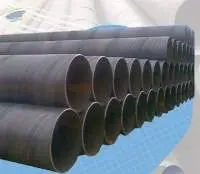
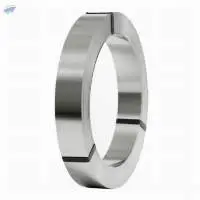
We can provide the following the form:Inconel725 alloy coil; Inconel725 alloy strip;Inconel725 alloy plate; Inconel725 alloy sheets; Inconel725 alloy tube; Inconel725 alloy pipe;
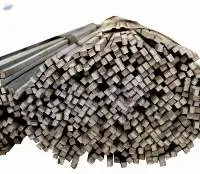
Inconel725 alloy flat; Inconel725 alloy bar

Used for pipe fittings, joints and bearings in acid-resistant equipment. It is also widely used in marine ship equipment;
GB:00Cr21Ni57Mo8Nb5TiA1;JIS:NCF725;UNS:N07725;W.Nr 2.4668
Apr-25-23

Monel Alloy 405

$35.00K - $40.00K
MOQ: 200KG  Metric Tonnes
Sample Available
 Inquire Now  
Monel R-405 alloy (UNS N04405) increases the sulfur content in the Monel 400 composition to enhance the machinability and become a free-cutting Monel alloy. Alloy 405 is an easy-to-machine version of Alloy 400. Alloy 405 adds a certain amount of sulfur, and the sulfide produced has chip breaking effect during machining, so it is suitable for automatic nut machine.
Like Alloy 400, Alloy 405 is resistant to corrosion by seawater, steam, and alkaline solutions at elevated temperatures. Alloy 405 is a solid solution alloy that can only be hardened by cold working. This nickel-based alloy also exhibits good corrosion resistance, weldability and high strength. The alloy exhibits low corrosion rates in fast-flowing brine and seawater environments and is well resistant to stress corrosion cracking in freshwater environments. Good corrosion resistance makes it widely used in marine and non-oxidizing chloride solution environment
American standard designation: UNS N04405, Specifications: ASTM B164, ASTM B127, ASTM B165, ASTM B725, ASTM B163, ASTM B366, ASTM B164, ASTM B564, ASTM B164, AMS 4674, AMS 7234.
Chinese standard designation: NS111, Specifications: GB/T 2054, GB/T 2055, GB/T 2056, GB/T 2057, GB/T 2058, GB/T 2059, GB/T 2060, GB/T 2061.

We can provide the following the form:Monel alloy405 coil; Monel alloy 405 strip;Monel alloy 405 plate; Monel alloy 405 sheets; Monel alloy 405 tube; Monel alloy 405 pipe;Monel alloy 405 flat; Monel alloy 405 bar
May-25-23

Hastelloy N

$30.00K - $35.00K
MOQ: 200KG  Metric Tonnes
Sample Available
 Inquire Now  
Hastelloy N is a nickel-chromium-molybdenum alloy with a small amount of tungsten, which offers excellent corrosion resistance in a variety of harsh chemical environments. The alloy is known for its resistance to both oxidizing and reducing conditions, as well as its ability to withstand stress corrosion cracking and pitting. Hastelloy N is primarily used in applications that involve high temperatures and corrosive environments, such as chemical processing, petrochemical refining, and nuclear fuel processing.
The chemical composition of Hastelloy N typically includes 56-60% nickel, 20-23% chromium, 8-10% molybdenum, and 0.5-1.5% niobium/tantalum. The small amount of tungsten added to the alloy enhances its resistance to localized corrosion, particularly in environments containing sulfuric acid.
Hastelloy N is available in a variety of forms, including plates, sheets, bars, wires, and pipes. The alloy can be welded using a range of techniques, including gas tungsten arc welding (GTAW), gas metal arc welding (GMAW), and shielded metal arc welding (SMAW).
Overall, Hastelloy N offers excellent corrosion resistance, high-temperature strength, and good weldability, making it a popular choice for applications in harsh chemical environments.
American standards: ASTM B619: Standard specification for Welded Nickel-Chromium-Molybdenum-Cobalt Alloy (UNS N06635) Pipe ASTM B622: Standard specification for Seamless Nickel-Chromium-Molybdenum-Cobalt Alloy (UNS N06635) Pipe and Tube ASTM B626: Standard specification for Welded and Seamless Nickel-Chromium-Molybdenum-Cobalt Alloy (UNS N06635) Pipe Fittings ASTM B366: Standard specification for Factory-Made Wrought Nickel and Nickel Alloy Fittings ASTM B574: Standard specification for Low-Carbon Nickel-Chromium-Molybdenum-Cobalt Alloy (UNS N06686, UNS N06688, UNS N06689, and UNS N08028) Bar and Wire ASTM B575: Standard specification for Low-Carbon Nickel-Chromium-Molybdenum-Cobalt Alloy (UNS N06686, UNS N06200, UNS N06030, UNS N08031, UNS N06035, UNS N08034, UNS N06022, UNS N06230, UNS N06625, UNS N08800, UNS N08811, and UNS N08890) Sheet and Strip
European standards: EN 10095: Heat Resisting Steels and Nickel Alloys - Plate/sheet, strip, bars, forgings and seamless tubes - Part 1: List of materials EN 10216-5: Seamless steel tubes for pressure purposes - Technical delivery conditions - Part 5: Stainless steel tubes
Japanese standards: JIS NW 0275: Nickel-Chromium-Molybdenum-Cobalt Alloy Plates, Sheets, Strips, Bars and Seamless Pipes (Hastelloy N) JIS NW 625: Seamless pipes and tubes made of corrosion resistant steel (Hastelloy)

We can provide the following the products:Hastelloy N coil; Hastelloy N strip;Hastelloy N plate; Hastelloy N sheets; Hastelloy N tube; Hastelloy N pipe;Hastelloy N flat; Hastelloy N bar

GB/JIS:NW2201/UNS:N10003/W.Nr:2.4634
May-11-23

Incoloy Alloy 907

$30.00K - $35.00K
MOQ: 200KG  Metric Tonnes
Sample Available
 Inquire Now  
Incoloy Alloy 907 is a high-strength, high-temperature alloy mainly composed of nickel, chromium, iron, molybdenum, niobium and other elements. It has excellent corrosion resistance, oxidation resistance and creep resistance, and is widely used in aviation, energy, chemical and other fields. The following is the detailed introduction of Incoloy Alloy 907:
performance:
Corrosion resistance: Incoloy Alloy 907 has good corrosion resistance in various environments such as acid, alkali and salt.
Oxidation resistance: Incoloy Alloy 907 has good oxidation resistance at high temperature, and can resist oxidation, thermal corrosion and high temperature oxidation.
Creep resistance: Incoloy Alloy 907 has good creep resistance under high temperature and high stress.
Processability: Incoloy Alloy 907 can be processed by various processing methods, such as forging, heat treatment, cold working, hot rolling, etc.
The international standard designations for Incoloy alloy 907 include UNS N19907 and W.Nr. 2.4663. There are also corresponding standards and specifications in different countries and regions, such as AMS and ASTM standards in the United States, EN standards in Europe, and JIS and JPI standards in Japan.
Here are the specific standards and designations for Incoloy alloy 907 in different countries:
United States: AMS 5541, AMS 5542, AMS 5544, AMS 5548, ASTM B366, ASTM B408, UNS N19907
Germany: DIN 17750, DIN 17752, DIN 17753, DIN 17754, W.Nr. 2.4663
United Kingdom: BS HR 505
Europe: EN 10095
Japan: JIS H4551, JPI-SB46

We can provide the follwoing the form:Incoloy alloy907 coil; Incoloy alloy907 strip;Incoloy alloy907 plate; Incoloy alloy907 sheets; Incoloy alloy907 tube; Incoloy alloy907 pipe;Incoloy alloy907 flat; Incoloy alloy907 bar

BS:HR 505/JIS:NW4894/UNS:N19907/W.Nr:2.4669

Incoloy Alloy 907 is widely used in aviation, energy, chemical and other fields, such as:
Heat treatment equipment and furnaces in high temperature oxidation environment
Components of turbine engines and jet engines in aerospace
Reactors, distillation towers and other components of chemical equipment
Fuel elements in the nuclear industry, reactor internal structures, etc.
It should be noted that when selecting and using Incoloy Alloy 907, it needs to be confirmed according to the specific situation and comply with local standards and regulations.
Apr-19-23

Inconel 690

$35.00K - $40.00K
MOQ: 200KG  Metric Tonnes
Sample Available
 Inquire Now  
Alloy 690 has excellent resistance to intergranular corrosion and intergranular stress corrosion cracking, and is mainly used as a heat transfer tube material for steam generators in pressurized water reactor nuclear power plants. The material of the steam generator heat transfer tube of the pressurized water reactor nuclear power plant has undergone a development process, including 304 austenitic stainless steel, 600 alloy, 800 alloy and 690 alloy. In-service corrosion failures of Alloy 600 show that intergranular corrosion and intergranular stress corrosion cracking are the main problems. Alloy 690 as Heat Transfer Tube Material of Steam Generator in Pressurized Water Reactor Nuclear Power Plant.
Inconel 690 is a high-temperature alloy, also known as UNS N06690. Some international standards and specifications for Inconel 690 include:
American standards: ASTM B166, ASTM B564, ASTM B167, ASTM B829, ASTM B517, ASTM B775, ASTM B163, ASTM B514, ASTM B751, ASTM B670, ASTM B366, ASME SB-166, ASME SB-564, ASME SB-167, ASME SB-829, ASME SB-517, ASME SB-775, ASME SB-163, ASME SB-514, ASME SB-751, ASME SB-670, ASME SB-366
European standards: EN 2.4642, EN 2.4641, EN 2.4856, EN 2.4858, EN 2.4859, EN 10216-2, EN 10217-2, EN 10216-5, EN 10217-5, EN 10088-1, EN 10095, EN 10222-2, EN 10269, EN 10272, EN 10297-2, EN 10302, EN 10312
Japanese standards: JIS G4801, JIS G4804, JIS G4805, JIS G4802, JIS G4311, JIS G4312, JIS G4313, JIS G4321, JIS G4322, JIS G4323, JIS G4308, JIS G4318, JIS G5121, JIS G5151, JIS G5152, JIS G5501, JIS G5502, JIS G3446
Chinese standards: GB/T 14992, GB/T 14994, GB/T 15001, GB/T 15003, GB/T 15007, GB/T 15009, GB/T 15011, GB/T 15013, GB/T 15014, GB/T 15021, GB/T 15023, GB/T 15025, GB/T 15027, GB/T 15029, GB/T 15031, GB/T 15033, GB/T 15037, GB/T 15039, GB/T 15041, GB/T 15043, GB/T 15045, GB/T 15047, GB/T 15049, GB/T 15051, GB/T 15053, GB/T 15055, GB/T 15057, GB/T 15059, GB/T 15061, GB/T 15063, GB/T 15065, GB/T 15067, GB/T 15069, GB/T 15071, GB/T 15073, GB/T 15075, GB/T 15077, GB/T 15079, GB/T 15081, GB/T 15083, GB/T 15085, GB/T 15087, GB/T 15089, GB/T 15091, GB/T 15093, GB/T 15095, GB/T 15097, GB/T 15099, GB/T 15101, GB/T 15103, GB/T 15105, GB/T 15107, GB/T 15109, GB/T 15111, GB/T 15113, GB/T 15115, GB/T 15117, GB/T 15119, GB/T 15121.

We can provide the following the form:Inconel690 alloy coil; Inconel690 alloy strip;Inconel690 alloy plate; Inconel690 alloy sheets;
Inconel690 alloy tube; Inconel690 alloy pipe;Inconel690 alloy flat; Inconel690 alloy bar

GB:GB/T14992;JIS:G4801;UNS:N066902.4642
173 Stainless Steel Pipes Pipe Fittings Suppliers
Short on time? Let Stainless Steel Pipes Pipe Fittings sellers contact you.
Apr-23-23

Inconel 686

$35.00K - $40.00K
MOQ: 200KG  Metric Tonnes
Sample Available
 Inquire Now  
Inconel 686 is suitable for use in amphoteric acids or amphoteric mixed acids, especially in corrosive environments containing high concentrations of chloride ions in amphoteric mixed acids. It has excellent resistance to uniform corrosion, electrochemical corrosion, localized corrosion and hydrogen embrittlement in seawater, and seawater has little effect on its fatigue strength. Therefore, Inconel686 alloy is an ideal material for marine environment applications, such as fasteners in seawater. The yield strength after cold working strengthening can be as high as 150ksi (1000MPa), and it has the same corrosion resistance as the solid solution state. Inconel 686 alloy is used in corrosive environments such as chemical process, pollution control (flue gas desulfurization), papermaking, pharmaceutical and garbage disposal. Inconel686 welding material is an ideal corrosion-resistant material for surfacing of steel.
Here are the international standard designations and specifications for Inconel 686:
American standard designation: UNS N06686, Specifications: ASTM B564, ASTM B574, ASTM B462, ASTM B446, ASTM B462, ASTM B564, ASTM B166, ASTM B462, ASTM B472, ASTM B626, ASTM B408, ASTM B473, ASTM B444, ASTM B729, ASTM B677, ASTM B622, ASTM B829, ASTM B366.
German standard designation: W.Nr. 2.4606, Specifications: DIN 17744, DIN 17750, DIN 17752, DIN 17754.
Japanese standard designation: JIS NW686, Specifications: JIS G4902, JIS G4903, JIS G4904, JIS G4905, JIS G4906, JIS G4907.
Chinese standard designation: GH686, Specifications: GB/T 15007, GB/T 15008, GB/T 15009, GB/T 15010, GB/T 15011, GB/T 15012.

We can provide the following the form:Inconel686 alloy coil; Inconel686 alloy strip;Inconel686 alloy plate; Inconel686 alloy sheets; Inconel686 alloy tube; Inconel686 alloy pipe;
Inconel686 alloy flat; Inconel686 alloy bar

DIN:17744;JIS:NW686;UNS:N06686;W.Nr:2.4606

Mainly include chemical treatment, pollution prevention and control, pulp and paper, industrial waste and domestic waste treatment. Chemical processing includes heat exchangers, reactors, evaporators and transfer piping. Air pollution prevention includes chimney linings, pipes, furnace doors, scrubbers, flue gas reheaters, propellers, housings
May-16-23

Haynes 230 Alloy

$30.00K - $35.00K
MOQ: 200KG  Metric Tonnes
Sample Available
 Inquire Now  
Haynes 230 is a nickel-based superalloy that is known for its high strength, excellent resistance to oxidation and corrosion, and good thermal stability. It was developed by Haynes International, Inc., and is commonly used in high-temperature applications, such as gas turbine engines, aerospace, and chemical processing industries.
Chemical Composition: Haynes 230 is composed of a range of elements, including nickel (Ni), chromium (Cr), molybdenum (Mo), iron (Fe), cobalt (Co), manganese (Mn), silicon (Si), carbon (C), and aluminum (Al). The chemical composition of Haynes 230 can be adjusted within certain ranges to meet specific application requirements.
Mechanical Properties: Haynes 230 has excellent mechanical properties, including high strength, good ductility, and toughness. Its yield strength is 685 MPa and its tensile strength is 1025 MPa. It also has a 42% elongation rate.
Thermal Properties: Haynes 230 exhibits good thermal stability, making it an excellent choice for high-temperature applications. Its melting point is 1305�°C (2381�°F), and it has a thermal expansion coefficient of 13.7 �µm/m�·K (7.6 �µin/in�·�°F).
Corrosion and Oxidation Resistance: Haynes 230 has excellent resistance to oxidation and corrosion in high-temperature and high-stress environments. It has a good resistance to sulfur-bearing gases, such as hydrogen sulfide (H2S) and sulfur dioxide (SO2), and can withstand harsh chemical environments.
Weldability: Haynes 230 can be welded using a variety of methods, including gas tungsten arc welding (GTAW), gas metal arc welding (GMAW), and resistance welding. However, special precautions need to be taken during welding to avoid cracking and other defects.
Here are the country standards for Haynes 230 alloy:
USA: AMS 5878, AMS 5879, AMS 5962, AMS 5963, AMS 5964, AMS 5965, AMS 5966, AMS 5967, AMS 5968, AMS 5969, AMS 5970, AMS 5971, AMS 5972, AMS 5973, AMS 5974, AMS 5975, AMS 5976, AMS 5977, AMS 5978, AMS 5979, AMS 5980, AMS 5981, AMS 5998, AMS 5999, AMS 5877, ASTM B366, ASTM B435, ASTM B572, ASTM B619, ASTM B622, ASTM B626, ASTM B366, UNS N06230
Europe: EN 2.4733
Germany: DIN 17742, VdTÃ??V 546
UK: BS HR 201
Japan: JIS NW 6230

We can provide the following the form:Haynes 230 coil; Haynes230 strip;Haynes 230 plate; Haynes 230 sheets; Haynes 230 tube; Haynes 230 pipe;Haynes 230 flat; Haynes 230 bar

GB/JIS:NW 6230/UNS:R06230/W.Nr:2.4733

Haynes 230 is widely used in high-temperature applications, such as gas turbine engines, aerospace, and chemical processing industries. It is also used in heat exchangers, industrial furnaces, and in the production of petroleum and natural gas. Its excellent mechanical properties, corrosion and oxidation resistance, and good weldability make it a popular choice for a wide range of applications.
Mar-28-23

309S Stainless Steel

$6.00K - $7.00K
MOQ: 200KG  Metric Tonnes
Sample Available
 Inquire Now  
309S stainless steel is a highly corrosion-resistant austenitic stainless steel that contains a high amount of chromium and nickel. It also has a low carbon content, which gives it excellent resistance to high-temperature oxidation and sulfidation.
Some of the key properties of 309S stainless steel include:
High-temperature resistance: 309S can withstand high temperatures up to 980�°C (1800�°F) without losing its strength or corrosion resistance properties, making it ideal for use in applications such as furnace parts, heat exchangers, and kilns.
Corrosion resistance: 309S offers excellent resistance to oxidation, sulfidation, and other forms of high-temperature corrosion, as well as resistance to aqueous corrosion.
Strength and toughness: 309S has good strength and toughness, making it suitable for use in demanding applications.
Fabricability: 309S is easily formable using standard methods, and can be welded using common welding techniques.
309S stainless steel is commonly used in a range of high-temperature applications, including:
Furnace parts, such as burners, heating elements, and retorts
Heat exchangers and boilers
Kilns and other high-temperature processing equipment
Chemical processing equipment
Power generation equipment, such as gas turbines and exhaust systems
Overall, 309S stainless steel is a highly reliable and versatile material that is well-suited for use in a range of high-temperature applications where superior corrosion resistance and strength are required.
The following are some of the commonly used international standards for 309S stainless steel:
ASTM A240/A240M: Standard Specification for Chromium and Chromium-Nickel Stainless Steel Plate, Sheet, and Strip for Pressure Vessels and for General Applications
ASTM A276/A276M: Standard Specification for Stainless Steel Bars and Shapes
EN 10088-2: Stainless steels - Part 2: Technical delivery conditions for sheet/plate and strip of corrosion resisting steels for general purposes
EN 10095: Heat resisting steels and nickel alloys
JIS G4304: Hot-rolled stainless steel plate, sheet and strip
JIS G4305: Cold-rolled stainless steel plate, sheet and strip
GB/T 4237: Hot rolled stainless steel plate, sheet and strip
GB/T 3280: Cold rolled stainless steel plate, sheet and strip

We can provide the following form:309S stainless steel coil; 309S stainless stee strip;309S stainless stee plate; 309S stainless steel sheets; 309S stainless steel tubes; 309S stainless steel pipe; 309S stainless steel flat; 309S stainless steel bar
May-12-23

Incoloy Alloy 925

$30.00K - $35.00K
MOQ: 200KG  Metric Tonnes
Sample Available
 Inquire Now  
Incoloy alloy 925 is a precipitation-hardenable nickel-iron-chromium alloy that contains additions of molybdenum, copper, titanium, and aluminum. The alloy has excellent mechanical properties at both ambient and elevated temperatures, making it suitable for use in a wide range of applications, including sour gas and oil production, aerospace, chemical processing, and marine engineering.
Incoloy alloy 925 is known for its high strength, which is achieved through a combination of solid solution strengthening and precipitation hardening. It also exhibits excellent resistance to corrosion and oxidation in a variety of environments, including those containing sulfides and chlorides.
The addition of molybdenum and copper to the alloy improves its resistance to pitting and crevice corrosion, while the titanium and aluminum additions enhance its resistance to intergranular attack. The combination of these elements makes Incoloy alloy 925 highly resistant to stress corrosion cracking and hydrogen embrittlement.
The alloy is typically supplied in the solution annealed condition, and can be easily fabricated using common techniques such as welding, brazing, and machining. After fabrication, the alloy can be precipitation hardened to achieve its maximum strength.
Incoloy alloy 925 is available in a range of forms, including round bars, flat bars, forgings, and wire. It is also available in various sizes and dimensions to meet the specific needs of different applications.
Overall, Incoloy alloy 925 is a versatile and high-performance alloy that offers excellent strength, corrosion resistance, and durability in demanding applications.
The international standard designations for Incoloy alloy 925 include UNS N09925 and W.Nr. 2.4858. There are also corresponding standards and specifications in different countries and regions, such as AMS and ASTM standards in the United States, EN standards in Europe, and JIS and JPI standards in Japan.
Here are the specific standards and designations for Incoloy alloy 925 in different countries:
United States: AMS 5660, AMS 5661, AMS 5662, AMS 5663, AMS 5664, AMS 5672, AMS 5872, ASTM B408, ASTM B805, UNS N09925
Germany: DIN 17742, DIN 17753, DIN 17754, W.Nr. 2.4858
United Kingdom: BS 3076, BS HR 6
Europe: EN 10095, EN 10204-3.1
Japan: JIS G4902, JPI-SB46

We can provide the following the form:Incoloy alloy925 coil; Incoloy alloy925 strip;Incoloy alloy925 plate; Incoloy alloy925 sheets; Incoloy alloy925 tube; Incoloy alloy925 pipe;Incoloy alloy925 flat; Incoloy alloy925 bar

Incoloy alloy 925 has a wide range of applications in various industries, including:
Oil and Gas Industry: Incoloy alloy 925 is widely used in oil and gas industry due to its high strength, excellent corrosion resistance, and resistance to sulfide stress cracking in sour environments. It is used in various components of downhole tools, such as subsurface safety valves, tubing hangers, and packers.
May-15-23

Incoloyalloy 945

$30.00K - $35.00K
MOQ: 200KG  Metric Tonnes
Sample Available
 Inquire Now  
Incoloy alloy 945 is a high-strength, corrosion-resistant nickel-iron-chromium alloy. It is primarily composed of nickel, chromium, and iron, with trace amounts of molybdenum, copper, and titanium. This alloy exhibits excellent resistance to stress-corrosion cracking, crevice corrosion, pitting, and intergranular corrosion. It is also highly resistant to hydrogen embrittlement and chloride stress corrosion cracking.
Incoloy alloy 945 has good mechanical properties at both ambient and elevated temperatures. Its high strength and ductility make it ideal for use in high-stress applications, such as gas turbines, chemical processing equipment, and marine applications. This alloy can withstand temperatures up to 1000�°C (1832�°F) and has a high fatigue strength, making it suitable for use in cyclically loaded components.
In addition to its excellent mechanical and corrosion resistance properties, Incoloy alloy 945 is also resistant to oxidation and sulfidation. This makes it well-suited for use in high-temperature environments where exposure to gases and corrosive elements is common.
Overall, Incoloy alloy 945 is a versatile and reliable alloy that is suitable for a wide range of demanding applications in industries such as aerospace, chemical processing, and power generation.
The execution standards for Incoloy alloy 945 by country are as follows:
United States: ASTM B163, ASTM B423, ASTM B829, UNS N09945
Europe: EN 10216-5, EN 10297-2, EN 10222-5, EN 10250-4, EN 10269, EN 10272, EN 10296-2, EN 10297-4, EN 10302, EN 10312
Germany: DIN 17742, DIN 17750, DIN 17751, DIN 17752, DIN 17754, W.Nr. 2.4633
United Kingdom: BS 3076

We can provide the following the form:Incoloy alloy945 coil; Incoloy alloy945 strip;Incoloy alloy945 plate; Incoloy alloy945 sheets; Incoloy alloy945 tube; Incoloy alloy945 pipe;Incoloy alloy945 flat; Incoloy alloy945 bar

GBG:H945/JIS/UNS:N09945/W.Nr:2.4669

Incoloy Alloy 945 is typically used in high-temperature applications where resistance to oxidation and creep are required. Some of the typical applications include gas turbine components, heat exchangers, furnace muffles, and petrochemical processing equipment.
Conclusion
Incoloy Alloy 945 is a high-temperature alloy with excellent resistance to oxidation and creep. Its chemical composition and mechanical properties make it suitable for use in high-stress environments at elevated temperatures. Its wide range of applications makes it an important material in the aerospace, petrochemical, and power generation industries.
May-17-23

Haynes 718 Alloy Sheet

$20.00K - $25.00K
MOQ: 200KG  Metric Tonnes
Sample Available
 Inquire Now  
Haynes 718 Alloy is a high-temperature, high-strength nickel-based alloy developed by Haynes International. It has excellent oxidation resistance, corrosion resistance, and high-temperature strength, and is widely used in high-temperature and high-pressure environments in aerospace, energy, chemical, petroleum, and natural gas industries.
The chemical composition of Haynes 718 Alloy includes approximately 52% nickel, 19% chromium, 3% titanium, 5% aluminum, about 0.9% iron, and trace amounts of carbon, sulfur, phosphorus, copper, and tantalum. This combination of elements gives Haynes 718 Alloy its excellent high-temperature performance. In addition, Haynes 718 Alloy uses advanced heat treatment processes, which can further improve its high-temperature strength and oxidation resistance.
Haynes 718 Alloy can be made into various shapes of products, such as sheets, rods, pipes, forgings, castings, and welding materials, etc. Its mechanical properties improve with increasing temperature, and it can maintain high strength and toughness at high temperatures ranging from 600�°C to 980�°C. In addition, Haynes 718 Alloy has excellent oxidation resistance and can withstand high-temperature oxidation environments for a long time.
Haynes 718 alloy is an important nickel-based superalloy used in high-temperature applications such as gas turbine engines. Below are the standards for Haynes 718 alloy in various countries:
United States: AMS 5596, AMS 5662, AMS 5663, AMS 5664, AMS 5832, AMS 5962, AMS 5665, AMS 5666, AMS 5667, AMS 5668, AMS 5669, AMS 5670, AMS 5671, AMS 5758, AMS 5759, AMS 5660, AMS 5661, AMS 5677, AMS 5909, AMS 5927, AMS 5947, AMS 5950, AMS 5963, AMS 5964, AMS 5966, AMS 5967, AMS 5968, AMS 5969, AMS 5970, AMS 5971, AMS 5972, AMS 5973, AMS 5974, AMS 5975, AMS 5976, AMS 5977, AMS 5978, AMS 5979, AMS 5980, AMS 5981, ASTM B637, ASTM B670, UNS N07718
Europe: EN 2.4668
Germany: DIN 17744, VdTÃ??V 718
France: AFNOR NC 19 Fe Nb
United Kingdom: BS HR 201, BS HR 401, BS HR 501
Japan: JIS NW 0771

We can provide the following the form:Haynes 718 Alloy coil; Haynes 718 Alloy strip;Haynes 718 Alloy plate; Haynes 718 Alloy sheets; Haynes 718 Alloy tube; Haynes 718 Alloy pipe;Haynes 718 Alloy flat; Haynes 718 Alloy bar

BS:HR 201/JIS:NC19FeNb/UNS:N07718/W.Nr:2.4669

Haynes 718 is a nickel-chromium alloy that is known for its high strength and excellent corrosion resistance. It is commonly used in a wide range of applications, including:
Aerospace industry: Haynes 718 is widely used in the aerospace industry due to its high strength, excellent fatigue resistance, and good weldability. It is used for components such as gas turbine engine parts, thrust reversers, and exhaust systems.
Apr-11-23

329 Stainless Steel Pipe

$3.50K - $4.00K
MOQ: 200KG  Metric Tonnes
Sample Available
 Inquire Now  
329 stainless steel is a duplex stainless steel with a higher strength and corrosion resistance than austenitic stainless steels. It belongs to the family of duplex stainless steels that contain two-phase microstructures consisting of austenitic and ferritic phases in roughly equal proportions. The combination of these phases provides 329 stainless steel with a unique set of properties, making it ideal for use in various industrial applications.
Some of the key properties of 329 stainless steel include:
Corrosion resistance: 329 stainless steel offers excellent corrosion resistance, particularly in environments containing chlorides and other halides, making it ideal for use in marine and chemical processing applications.
High strength: 329 stainless steel has higher strength than austenitic stainless steels and can withstand high stress and pressure.
Weldability: 329 stainless steel is readily weldable using common welding techniques and is not prone to weld decay.
Machinability: 329 stainless steel has good machinability and can be easily machined using conventional machining techniques.
Some of the common applications for 329 stainless steel include:
Marine applications: due to its excellent corrosion resistance in seawater environments, 329 stainless steel is often used in marine applications such as propeller shafts, pump parts, and fasteners.
Chemical processing: 329 stainless steel is commonly used in chemical processing applications due to its resistance to various chemicals and high temperatures.

Oil and gas industry: 329 stainless steel is often used in oil and gas production and processing equipment, including pumps, valves, and heat exchangers.
Overall, 329 stainless steel is a highly versatile and reliable material that offers a unique combination of strength and corrosion resistance properties, making it ideal for use in a wide range of industrial applications.
Here are some of the most common international standards for 329 stainless steel:
ASTM A276/A276M: Standard Specification for Stainless Steel Bars and Shapes
ASTM A240/A240M: Standard Specification for Chromium and Chromium-Nickel Stainless Steel Plate, Sheet, and Strip for Pressure Vessels and for General Applications
EN 10088-1: Stainless steels - Part 1: List of stainless steels
EN 10088-3: Stainless steels - Part 3: Technical delivery conditions for semi-finished products, bars, rods, wire, sections and bright products of corrosion resisting steels for general purposes
JIS G4304: Hot-rolled stainless steel plate, sheet and strip
GB/T 1220: Stainless steel bars

We can provide the following form:329 stainless steel coil; 329 stainless stee strip;329 stainless stee plate; 329 stainless steel sheets; 329 stainless steel tubes; 329 stainless steel pipe;
329 stainless steel flat; 329 stainless steel bar
Apr-12-23

2507 Stainless Steel

$4.00K - $4.50K
MOQ: 200KG  Metric Tonnes
Sample Available
 Inquire Now  
2507 stainless steel, also known as duplex stainless steel, is a type of stainless steel that contains high levels of both chromium and molybdenum, as well as lower levels of nickel. This combination of metals provides increased resistance to corrosion and high strength.
The chemical composition of 2507 stainless steel typically includes 25% chromium, 7% nickel, 4% molybdenum, and small amounts of other elements such as nitrogen and carbon. The high levels of chromium and molybdenum make it highly resistant to pitting, crevice corrosion, and general corrosion in a wide range of environments, including seawater, acidic and alkaline solutions, and chloride-containing solutions.
In addition to its excellent corrosion resistance, 2507 stainless steel also offers high strength and toughness, making it ideal for use in a range of applications that require high performance under demanding conditions. These applications include chemical and petrochemical processing equipment, oil and gas production equipment, and offshore platforms.
Overall, 2507 stainless steel is a highly versatile and reliable material that offers exceptional resistance to corrosion, high strength, and toughness, making it an excellent choice for a wide range of industrial and commercial applications.
The execution standards for 2507 stainless steel mainly include the following aspects:
Chemical composition: Standards such as ASTM A240, EN 10088-2, JIS G4305, GB/T 3280 define the chemical composition of 2507 stainless steel.
Mechanical properties: Standards such as ASTM A240, EN 10088-2, JIS G4305, GB/T 3280 define the mechanical properties of 2507 stainless steel, including tensile strength, yield strength, elongation, etc.
Corrosion resistance: Standards such as NORSOK MDS D55, ASTM A923, ASTM G48, EN ISO 10204 define the performance and testing methods of 2507 stainless steel in various corrosive environments.
Manufacturing process: Standards such as ASTM A928, EN 10217-7 define the manufacturing process and welding requirements of 2507 stainless steel.
The following are some of the execution standards for 2507 stainless steel established by major countries or regions:
United States: Standards such as ASTM A240, ASTM A789, ASTM A790, ASTM A928.
Europe: Standards such as EN 10088-2, EN 10217-7, EN 10216-5.
Japan: Standards such as JIS G4305, JIS G4304, JIS G4307.
China: Standards such as GB/T 21833, GB/T 3280, GB/T 14976.
Overall, while the execution standards may vary slightly among different countries or regions, they all aim to ensure the quality and performance of 2507 stainless steel.

We can provide the following the form:2507 stainless steel coil; 2507 stainless stee strip;2507 stainless stee plate; 2507 stainless steel sheets; 2507 stainless steel tubes; 2507 stainless steel pipe;2507 stainless steel flat; 2507 stainless steel bar
Mar-23-23

304L Stainless Steel

$2.10K
MOQ: 200KG  Metric Tonnes
Sample Available
 Inquire Now  
304L stainless steel is a low-carbon variation of the widely used 304 austenitic stainless steel alloy. It contains approximately 18% chromium and 8% nickel and is characterized by its good corrosion resistance, high-temperature strength, and excellent weldability. The "L" in its name stands for low carbon, indicating that it has a lower carbon content than standard 304 stainless steel.
The low carbon content of 304L stainless steel provides it with improved resistance to intergranular corrosion and improved weldability, particularly in applications where it may be subject to sensitization, which can cause intergranular corrosion in certain environments.
304L stainless steel is commonly used in applications that require good corrosion resistance and high-temperature strength, including chemical processing equipment, food processing equipment, and heat exchangers. It is also used in architectural trim, dairy and brewery equipment, and pharmaceutical processing equipment.
In terms of mechanical properties, 304L stainless steel has a minimum tensile strength of 485 MPa (70 ksi) and a minimum yield strength of 170 MPa (25 ksi), making it suitable for use in applications where high strength is required. Its elongation is typically around 40%, which allows it to be formed and shaped without cracking or breaking.
304L stainless steel can be easily formed and fabricated using a variety of techniques, including cold and hot working, machining, and welding. It can also be polished and finished to achieve a variety of surface textures and appearances.
Overall, 304L stainless steel is a low-carbon variation of the widely used 304 stainless steel alloy that offers good corrosion resistance, high-temperature strength, and excellent weldability, making it a versatile material for a wide range of applications.
American Standard: ASTM A240/A240M-20a
European Standard: EN 10088-2:2005
Japanese Standard: JIS G4304-2005
Chinese Standard: GB/T 3280-2015
Indian Standard: IS 6911:2017
Here are some of the most common international standards for 304L stainless steel:
ASTM A240/A240M: Standard Specification for Chromium and Chromium-Nickel Stainless Steel Plate, Sheet, and Strip for Pressure Vessels and for General Applications
ASTM A276/A276M: Standard Specification for Stainless Steel Bars and Shapes
ASTM A312/A312M: Standard Specification for Seamless, Welded, and Heavily Cold Worked Austenitic Stainless Steel Pipes
ASTM A479/A479M: Standard Specification for Stainless Steel Bars and Shapes for Use in Boilers and Other Pressure Vessels
EN 10088-2: Stainless steels - Part 2: Technical delivery conditions for sheet/plate and strip of corrosion resisting steels for general purposes
JIS G4304: Hot-rolled stainless steel plate, sheet and strip
GB/T 3280: Cold rolled stainless steel plate, sheet and strip

We can provide the following form:304L stainless steel coil/strip/plate/sheets/tubes/pipe/flat/bar
May-25-23

Hastelloy X

$30.00K - $35.00K
MOQ: 200KG  Metric Tonnes
Sample Available
 Inquire Now  
Hastelloy X is a high-temperature, corrosion-resistant nickel-chromium-iron-molybdenum alloy. It has excellent high-temperature strength and good oxidation resistance up to 1200�°C, making it suitable for use in a range of applications that require resistance to high temperatures and harsh environments.
Hastelloy X is often used in gas turbine engine components such as combustor cans, flame holders, and transition ducts. It is also used in industrial furnace components such as muffles and radiant tubes, as well as in chemical processing equipment and heat exchangers.
This alloy has a unique combination of mechanical properties that make it suitable for use in high-stress applications at elevated temperatures. It has good ductility, high strength, and excellent resistance to thermal fatigue and thermal shock. Additionally, it has good resistance to both oxidizing and reducing environments, including wet chlorine and sulfuric acid.
Hastelloy X is typically supplied in the solution-annealed condition, which provides good ductility and toughness. It can be easily welded using common welding techniques, and can also be formed and machined using standard methods.
Overall, Hastelloy X is a versatile and reliable alloy that offers excellent performance in high-temperature, corrosive environments. Its unique combination of properties makes it an ideal choice for a range of demanding applications in the aerospace, chemical processing, and industrial sectors.
Here are the international standards for Hastelloy X:
American Standards: AMS 5536: Standard Specification for Heat-Resistant Nickel Alloy Plate, Sheet, and Strip. AMS 5754: Standard Specification for Superstrength Alloy Wrought Nickel Alloys. AMS 5798: Standard Specification for Welding Wire, Corrosion Resistant, Nickel Alloy, Hastelloy X. ASTM B435: Standard Specification for UNS N06002 Alloy Plate, Sheet, and Strip. ASTM B572: Standard Specification for UNS N06002 Nickel Alloy Round Bar.
European Standards: EN 2.4665: Nickel and nickel alloys - Plate, sheet, and strip. EN 2.4666: Nickel and nickel alloys - Bars and wire. EN 2.4667: Nickel and nickel alloys - Seamless tubes. EN 2.4694: Nickel and nickel alloys - Welded tubes.
Japanese Standards: JIS NW 0675: Nickel and nickel alloys - Plate, sheet, and strip. JIS NW 0676: Nickel and nickel alloys - Bars and wire. JIS NW 0677: Nickel and nickel alloys - Seamless pipes and tubes. JIS NW 0678: Nickel and nickel alloys - Welded pipes and tubes.
Chinese Standards: GB/T 14992: Nickel and nickel alloys - Plate, sheet, and strip. GB/T 14994: Nickel and nickel alloys - Bars and wire. GB/T 14996: Nickel and nickel alloys - Seamless tubes. GB/T 14997: Nickel and nickel alloys - Welded tubes.

We can provide the following the products:Hastelloy X coil; Hastelloy X strip;Hastelloy X plate; Hastelloy X sheets; Hastelloy X tube; Hastelloy X pipe;Hastelloy X flat; Hastelloy X bar

GB/JIS:HR505/UNSï¼?N06002/W.Nrï¼?2.4665
May-25-23

Haynes 617 Alloy

$30.00K - $35.00K
MOQ: 200KG  Metric Tonnes
Sample Available
 Inquire Now  
Haynes 617 is a nickel-chromium-cobalt-molybdenum alloy with excellent high-temperature strength, good oxidation resistance, and excellent resistance to carburization and sulfidation. It is commonly used in gas turbine engine components, industrial furnace applications, and other high-temperature applications.
Haynes 617 has a nominal composition of 44.5% nickel, 20-24% chromium, 8-10% molybdenum, 0.5% maximum copper, 0.15% maximum carbon, 1.0% maximum cobalt, 0.5% maximum silicon, 1.0% maximum manganese, 0.015% maximum sulfur, 0.015% maximum phosphorus, and the balance iron.
Haynes 617 offers excellent mechanical properties at high temperatures, making it ideal for use in gas turbine engine components such as combustion liners, transition ducts, and exhaust systems. Its high-temperature strength and resistance to carburization and sulfidation make it suitable for use in industrial furnace applications such as radiant tubes, muffles, and retorts.
In addition to its high-temperature strength and resistance to oxidation and carburization, Haynes 617 also offers good resistance to thermal shock and thermal fatigue. This makes it ideal for use in applications that require resistance to cyclic heating and cooling, such as gas turbine engine components and industrial furnace applications.
Overall, Haynes 617 is a versatile high-temperature alloy that offers excellent mechanical properties and resistance to corrosion and oxidation in high-temperature environments. Its use in gas turbine engine components and industrial furnace applications has been well-established, and it continues to be an important material in these industries.
US standards: AMS 5887: Standard specification for Haynes 617 plate, sheet, and strip; AMS 5888: Standard specification for Haynes 617 rod, wire, and bar; AMS 5889: Standard specification for Haynes 617 seamless or welded pipe; ASME SB 166: Standard specification for Haynes 617 rod, wire, and bar; ASME SB 167: Standard specification for Haynes 617 seamless pipe; ASME SB 168: Standard specification for Haynes 617 plate, sheet, and strip; ASME SB 564: Standard specification for Haynes 617 forgings.

We can provide the following the products:Haynes 617 alloy coil; Haynes 617 alloy strip;Haynes 617 alloy plate; Haynes 617 alloy sheets; Haynes 617 alloy tube; Haynes 617 alloy pipe;Haynes 617 alloy flat; Haynes 617 alloy bar

GB/JIS:NW 6617/UNS:N06617/W.Nr:2.4663
May-25-23

Haynes 625 Alloy

$30.00K - $35.00K
MOQ: 200KG  Metric Tonnes
Sample Available
 Inquire Now  
Haynes 625 is a nickel-chromium-molybdenum alloy with niobium/tantalum added to enhance its corrosion resistance and strength at elevated temperatures. It is one of the most widely used superalloys due to its exceptional mechanical properties, high corrosion resistance, and ease of fabrication.
Haynes 625 has excellent resistance to pitting, crevice corrosion, and stress corrosion cracking in chloride-containing environments, making it suitable for use in marine and chemical processing applications. It also exhibits high resistance to oxidation and scaling at elevated temperatures up to 1000â??, making it suitable for use in high-temperature applications such as gas turbines, furnace components, and heat exchangers.
Haynes 625 can be easily fabricated by various methods including welding, forging, and machining. It can be used in both as-welded and annealed conditions. It is available in various forms such as plates, sheets, bars, and tubes, and is widely used in industries such as aerospace, chemical processing, oil and gas, and nuclear power.
US standards: AMS 5599: Specifies the standard specifications for Haynes 625 plate, sheet, and strip; AMS 5666: Specifies the standard specifications for Haynes 625 bars, wire, profiles, and forgings; AMS 5837: Specifies the standard specifications for Haynes 625 seamless or welded tubes; ASME SB 443: Specifies the standard specifications for Haynes 625 plate, sheet, and strip; ASME SB 446: Specifies the standard specifications for Haynes 625 bars and forgings; ASME SB 444: Specifies the standard specifications for Haynes 625 seamless and welded tubes.
European standards: EN 2.4856: Specifies the standard specifications for Haynes 625 plate, sheet, strip, bars, and wire; EN 10216-5: Specifies the standard specifications for Haynes 625 seamless steel tubes.
Japanese standards: JIS NW 625: Specifies the standard specifications for Haynes 625 plate, sheet, strip, bars, and seamless tubes; JIS NW 6692: Specifies the standard specifications for Haynes 625 welded tubes.
Chinese standards: GB/T 14992: Specifies the standard specifications for Haynes 625 plate, sheet, and strip; GB/T 14994: Specifies the standard specifications for Haynes 625 welded seamless steel tubes; GB/T 15008: Specifies the standard specifications for Haynes 625 bars and forgings; GB/T 15010: Specifies the standard specifications for Haynes 625 seamless and welded tubes.

We can provide the following the products:Haynes 625 alloy coil; Haynes 625 alloy strip;Haynes 625 alloy plate; Haynes 625 alloy sheets; Haynes 625 alloy tube; Haynes 625 alloy pipe;Haynes 625 alloy flat; Haynes 625 alloy bar

GB/JIS:G4903/UNS:N06625/W.Nr:2.4856
May-25-23

Haynes 718 Alloy

$30.00K - $35.00K
MOQ: 200KG  Metric Tonnes
Sample Available
 Inquire Now  
Haynes 718 alloy is a precipitation-hardening nickel-chromium alloy that offers high strength, toughness, and resistance to corrosion and high-temperature environments. It was developed in the 1950s for use in gas turbine engine components, and has since found a wide range of applications in other high-stress industries such as aerospace, nuclear, and chemical processing.
The alloy is characterized by its excellent mechanical properties, including high tensile and yield strength, good ductility and toughness, and resistance to fatigue, creep, and stress-corrosion cracking. These properties are achieved through a combination of precipitation hardening and solid-solution strengthening, which involve heat treatment processes that cause the formation of fine, uniform precipitates within the metal matrix.
Haynes 718 alloy also has good resistance to oxidation and other forms of corrosion, particularly in high-temperature environments. It is capable of maintaining its properties at temperatures up to around 1300�°F (700�°C), making it suitable for use in hot sections of gas turbine engines, nuclear reactor components, and other high-temperature applications.
In addition to its mechanical and corrosion resistance properties, Haynes 718 alloy also has good weldability and machinability. It can be readily welded using a range of methods, and can be easily machined using standard metalworking techniques.
Overall, Haynes 718 alloy is a versatile and reliable material that has proven itself in a wide range of demanding applications. Its combination of high strength, toughness, and resistance to corrosion and high-temperature environments make it an ideal choice for use in critical components where reliability and performance are paramount.
Haynes 718 alloy standards vary by country. Here are some of the common ones:
United States Standards: AMS 5596: Standard Specification for Nickel Alloy, Corrosion and Heat-Resistant, Sheet, Strip, and Plate, Haynes 718 AMS 5662: Standard Specification for Nickel Alloy, Bars, Forgings, and Rings, Haynes 718 AMS 5663: Standard Specification for Nickel Alloy, Bars, Forgings, and Rings, Haynes 718 (UNS N07718) AMS 5664: Standard Specification for Nickel Alloy, Bars, Forgings, and Rings, Haynes 718 (UNS N07718) AMS 5832: Standard Specification for Nickel Alloy, Corrosion and Heat-Resistant, Welding Wire, Haynes 718 AMS 5962: Standard Specification for Nickel Alloy, Corrosion and Heat-Resistant, Bars, Forgings, and Rings, Haynes 718 AMS 5838: Standard Specification for Nickel Alloy, Corrosion and Heat-Resistant, Welding Wire, Haynes 718SPF

We can provide the following the prodcuts:Haynes 718 alloy coil; Haynes 718 alloy strip;Haynes 718 alloy plate; Haynes 718 alloy sheets; Haynes 718 alloy tube; Haynes 718 alloy pipe;Haynes 718 alloy flat; Haynes 718 alloy bar

GB/JIS:NW7718/UNS:NW7718/W.Nr:2.4668
May-25-23

Hastelloy C

$30.00K - $35.00K
MOQ: 200KG  Metric Tonnes
Sample Available
 Inquire Now  
Hastelloy C is a nickel-chromium-molybdenum alloy that provides excellent corrosion resistance in a variety of harsh environments. It is commonly used in the chemical processing, petrochemical, and power generation industries for its high resistance to a wide range of corrosive media, including strong oxidizing agents, reducing environments, and hot contaminated solutions.
Hastelloy C also exhibits good thermal stability, making it suitable for use in high-temperature environments. Its thermal conductivity is 67 Btu�·in/(hr�·ft�²�·�°F) (9.7 W/(m�·K)), and its coefficient of thermal expansion is 7.7 �? 10^-6 in/in/�°F (13.9 �? 10^-6 m/m/�°C).
In addition to its excellent corrosion resistance and mechanical properties, Hastelloy C is also weldable and easily fabricated into a variety of shapes and forms. It can be cold worked, hot worked, and annealed for optimal performance.
Overall, Hastelloy C is a versatile alloy that offers exceptional performance in a wide range of harsh environments. Its combination of corrosion resistance, mechanical properties, and thermal stability make it a popular choice for demanding applications in the chemical processing, petrochemical, and power generation industries.
US Standards: AMS 5750: Standard specification for Hastelloy C steel bars and shapes; AMS 5786: Standard specification for Hastelloy C welding wire; AMS 5771: Standard specification for Hastelloy C plate, sheet, and strip; AMS 5757: Standard specification for Hastelloy C seamless pipe and tube; ASME SB 574: Standard specification for Hastelloy C forged fittings.
European Standards: EN 2.4819: Standard specification for Hastelloy C steel bars, wire, and forgings; EN 10095: Standard specification for Hastelloy C plate, sheet, and strip; EN 10216-5: Standard specification for Hastelloy C seamless steel tubes; EN 10217-5: Standard specification for Hastelloy C welded steel tubes.
Japanese Standards: JIS NW 6222: Standard specification for Hastelloy C plate, sheet, and strip; JIS NW 6022: Standard specification for Hastelloy C rods and wires; JIS NW 6220: Standard specification for Hastelloy C seamless pipes and tubes; JIS NW 6221: Standard specification for Hastelloy C welded pipes and tubes.
Chinese Standards: GB/T 15006: Standard specification for Hastelloy C bars, wires, and profiles; GB/T 15008: Standard specification for Hastelloy C plate, sheet, and strip; GB/T 15011: Standard specification for Hastelloy C seamless pipes and tubes; GB/T 15012: Standard specification for Hastelloy C welded pipes and tubes.

We can provide the following the products:Hastelloy C coil; Hastelloy C strip;Hastelloy C plate; Hastelloy C sheets; Hastelloy C tube; Hastelloy C pipe;Hastelloy N flat; Hastelloy C bar

GBï¼?NA1002/JIS ï¼?NW6022/UNSï¼?N06455/W.Nrï¼?2.4819
Mar-29-23

403 Stainless Steel

$1.20K - $1.50K
MOQ: 200KG  Metric Tonnes
Sample Available
 Inquire Now  
403 stainless steel pipe is a brand of stainless steel produced according to the American ASTM standard
403 is equivalent to 1Cr12 stainless steel pipe, containing 0.01% carbon and 12% chromium
403 stainless steel pipes belong to the international stainless steel labeling method. 403 stainless steel pipe--S40300 (American AISI, ASTM) 403 corresponds to the Chinese grade is 1Cr12
403 stainless steel is a martensitic stainless steel that contains chromium, which provides it with excellent corrosion resistance properties. It is a heat-treatable alloy that can be hardened to achieve high strength and hardness levels. However, its corrosion resistance is lower compared to other stainless steel grades such as 304 and 316.
Some of the key properties of 403 stainless steel include:
Corrosion resistance: 403 stainless steel offers good corrosion resistance in mild environments, but its corrosion resistance is not as good as other austenitic stainless steel grades.
Heat resistance: 403 stainless steel has good heat resistance and can be used at temperatures up to 649�°C (1200�°F).
Hardness and strength: 403 can be heat treated to achieve high levels of hardness and strength.
Machinability: 403 has good machinability in the annealed condition, but it can be difficult to machine in its hardened state.
Some of the common applications for 403 stainless steel include:
Pump shafts Valve parts Cutlery Surgical instruments Machine parts Overall, 403 stainless steel is a heat-treatable alloy that offers good corrosion resistance in mild environments and is well-suited for applications that require high strength and hardness. However, it is not recommended for use in corrosive environments or applications that require high resistance to pitting and crevice corrosion.
Here are some of the most common international standards for 403 stainless steel:
ASTM A240/A240M: Standard Specification for Chromium and Chromium-Nickel Stainless Steel Plate, Sheet, and Strip for Pressure Vessels and for General Applications.
ASTM A276: Standard Specification for Stainless Steel Bars and Shapes.
ASTM A479/A479M: Standard Specification for Stainless Steel Bars and Shapes for Use in Boilers and Other Pressure Vessels.
EN 10088-2: Stainless steels - Part 2: Technical delivery conditions for sheet/plate and strip of corrosion resisting steels for general purposes.
JIS G4304: Hot-rolled stainless steel plate, sheet and strip.
GB/T 3280: Cold rolled stainless steel plate, sheet and strip.

We can provide the following the form:403 stainless steel coil; 403 stainless stee strip;403 stainless stee plate; 403 stainless steel sheets; 403 stainless steel tubes; 403 stainless steel pipe;

Good stainless and heat-resistant steel for steam turbine blades and high-stress components.
173 Stainless Steel Pipes Pipe Fittings Suppliers
Short on time? Let Stainless Steel Pipes Pipe Fittings sellers contact you.
See what buyers and suppliers are discussing in Stainless Steel Pipes Pipe Fittings import export community