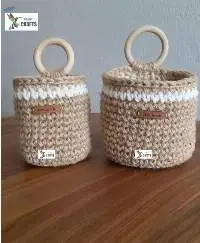
This hanging jute baskets make your guest room, hallway, kitchen, bathroom more inviting
It's the perfect solution for your needs.
On holidays, baskets can be decorated with dried flowers, Christmas tree branches!
The baskets are crocheted from jute yarn and thick jute rope. �¢??Jute�¢?? is the name of the plant from which yarn or fiber is made.easily biodegradable natural organic.
Available in custom size,colour and design as per requirement.
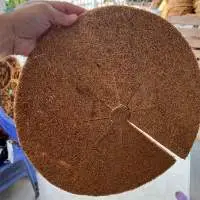
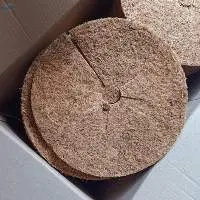
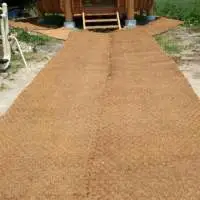
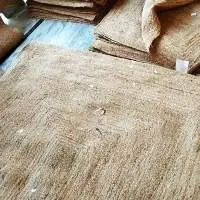
Coir needled felt mats are non-woven mats made from 100% coir fibre. The fibre is selected, dried and then weaved in the needle felt machine for required thickness. Then the needle is punched to achieve the desired degree of compaction.
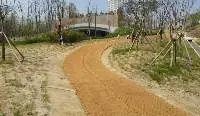
The fibre is bonded to form long sheets. Needled felt mats have excellent moisture absorption capacity and water retention characteristics. It is an ideal medium for plant growth. It is also used for lawn development and landscaping.
Advantages
Environmental Friendly
Easy laying
Easy rooting for plants
Water retention capability
*Common Usage:
- Ideal for Weed Control
- Perfect protection against cold, ice and frost.
*Benefits:
- 100% Natural and Biodegradable
- Functions as a Soil Amendment
- Fulfills the Double Function of Mulching and as Wick in Soil Mantle
- Improved Plant Establishment
- Balanced and Healthy Growth
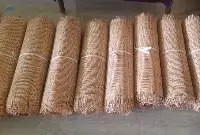
Cane Webbing is used for furniture that has a groove around the opening. It is also used for cabinet doors, speaker fronts and to provide ventilation for appliances. To determine how much you will need, measure from groove to groove (front to back and side to side) and add 1" to each measurement
Authentic Indonesian rattan, natural cane woven screen, furniture, chair, table, ceiling, background, wall material
Size: You can choose the size you want.
If you don't have the size you want, please contact us.
Material: natural Indonesian rattan
Other sizes available: width 45 cm, 55 cm, 65 cm, 70cm, 75cm, 80 cm, 85cm, 90cm, 95cm, 100cm
Jute (including kenaf) was an important foreign exchange earner for the producing countries during '60s. Even during the '70s, jute was an important commodity for most of the producing countries. However, during the '80s, bulk handling techniques and synthetic substitutes entered the market and jute started losing its predominant position in the market.
Jute (including kenaf) was an important foreign exchange earner for the producing countries during '60s. Even during the '70s, jute was an important commodity for most of the producing countries. However, during the '80s, bulk handling techniques and synthetic substitutes entered the market and jute started losing its predominant position in the market.
Jute (including kenaf) was an important foreign exchange earner for the producing countries during '60s. Even during the '70s, jute was an important commodity for most of the producing countries. However, during the '80s, bulk handling techniques and synthetic substitutes entered the market and jute started losing its predominant position in the market.
Jute (including kenaf) was an important foreign exchange earner for the producing countries during '60s. Even during the '70s, jute was an important commodity for most of the producing countries. However, during the '80s, bulk handling techniques and synthetic substitutes entered the market and jute started losing its predominant position in the market.
Jute (including kenaf) was an important foreign exchange earner for the producing countries during '60s. Even during the '70s, jute was an important commodity for most of the producing countries. However, during the '80s, bulk handling techniques and synthetic substitutes entered the market and jute started losing its predominant position in the market
Jute (including kenaf) was an important foreign exchange earner for the producing countries during '60s. Even during the '70s, jute was an important commodity for most of the producing countries. However, during the '80s, bulk handling techniques and synthetic substitutes entered the market and jute started losing its predominant position in the market.
Jute (including kenaf) was an important foreign exchange earner for the producing countries during '60s. Even during the '70s, jute was an important commodity for most of the producing countries. However, during the '80s, bulk handling techniques and synthetic substitutes entered the market and jute started losing its predominant position in the market.
Jute (including kenaf) was an important foreign exchange earner for the producing countries during '60s. Even during the '70s, jute was an important commodity for most of the producing countries. However, during the '80s, bulk handling techniques and synthetic substitutes entered the market and jute started losing its predominant position in the market.
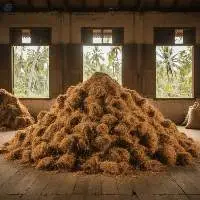
Coconut / Coir Fibre is a natural, durable, and eco-friendly fiber extracted from coconut husks. It is widely used in horticulture, agriculture, erosion control, mattress manufacturing, brush making, ropes, geotextiles, and various industrial applications.
Product Type : Natural Coconut Coir Fibre
Raw Material : 100% Coconut Husk
Fiber Types : Brown Coir Fibre / White Coir Fibre
Fiber Length : 5 mm - 300 mm (Customizable)
Moisture Content: Below 15 - 20%
Color : Natural Brown / Golden Brown / Light Brown
Processing : Cleaned, Dried, Combed, Graded
Strength : High Tensile Strength and Durability
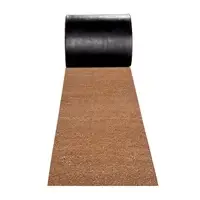
This coir roll with sturdy PVC backing is having brush made of coir yarn. The advantage is that these can be easily cut to any size or shape with a clean and safe edge that will not fray. These rolls available in 100 cm & 200 cm width in 15mm/17mm/23 mm thickness in length of 10 meters.
This doormat with sturdy PVC backing and brush made of coir yarn is having a 3-D design carved to the coir surface. These 15 or 17mm thick mats are available in natural version with elegant designs embossed. Available in 40x60 , 40x70 & 45x75 cm sizes.
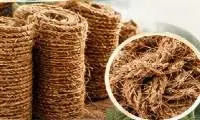
Name: Coir rope
Material: 100% coconut fiber
MOQ :1x40ft
Features: Eco-friendly, sustainable, strong, good for plant and soil
Color: Natural light brown
Usage: For decoration or agriculture
Delivery time: 15-20 days
Packing: By roll
Payment: T/T , L/C, Western Union, Paypal
Place of Origin: Vietnam
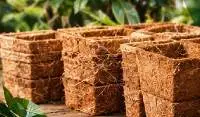
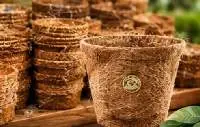
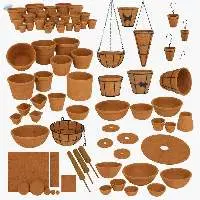
COCONUT COIR POT
Coconut fiber pot made from coconut fiber products. As good crop products and environmental protection. Coir pots benefits are versatile, more air floating through the plant roots, which will enable the plant in the coconut coat to grow stronger and quicker. All our coir pots are for sale in different sizes and shapes.
Coir rope is a product made from coconut fiber, which is organic and environmentally friendly. Using coir rope in decoration, agriculture ... will contribute to making our living environment cleaner and more environmentally friendly.
Specifications:
+ Color: Natural Brown
+ Material: Coconut Fiber
+ Width: 45/60/80/110/120/210cm
+ Moisture: 15% max
+ Length: 20m
+ Origin in Vietnam
+ Common Uses:
-One-Step Erosion Control
-Weed Control
-Mulching
-Perennial Slope Landscaping
Packing: In Straps
Contact: Ms. Laura via email nguyenlaura.99gd@gmail.com
Coir Rope is made from natural coconut fiber. It is used to wrap the stumps to keep the plants warm during the cold season. Inaddition, coconut ropes are also used for decoration, forcing tents. We are supplying coir rope at a large quantity and competitive price, directly from the factory.
Coir Rope is made from natural coconut fiber. It is used to wrap the stumps to keep the plants warm during the cold season. In addition, coconut ropes are also used for decoration, forcing tents.
We are supplying coir rope at a large quantity and competitive price, directly from the factory.
COCO COIR PELLETS
The coco coir pellets contain absolutely no peat. They are made from coconut fibres, which are a by-product of harvesting coconuts. They are ideal for starting seedlings and can be used to replace traditional pellets. Coco coir pellets are very easy to handle and do not produce any mess.
Polygon coir pots are geometrically shaped planting containers made primarily from coconut coir fibers, sometimes combined with coir pith and suitable binding materials. Their multi-sided design provides a distinctive alternative to conventional round nursery pots and can suit modern gardening displays, plant nurseries, greenhouses, and retail plant arrangements. The porous coir structure allows air and moisture movement, depending on the pot's density and construction. Available in different polygon shapes, sizes, thicknesses, and finishes, these pots can be used for seedlings, ornamental plants, herbs, and decorative planting. Biodegradability and durability depend on the materials and manufacturing process.
Coir ropes are manufactured by twisting or braiding natural fibers extracted from coconut husks. Known for their rough texture and natural brown color, these ropes are used in agriculture, horticulture, gardening, landscaping, packaging, and general-purpose tying applications. They are available in different diameters, strand constructions, lengths, and tensile strengths to meet varied commercial requirements. Depending on the fiber quality and manufacturing method, coir ropes can provide useful grip and flexibility for outdoor and horticultural use. They are supplied in coils, bundles, or customized lengths for wholesalers, agricultural suppliers, manufacturers, and export buyers.
Coir fiber pots are biodegradable planting containers manufactured from coconut husk fibers, often combined with coir pith and natural or suitable binding materials. They are designed for seed germination, nursery cultivation, transplanting, and horticultural applications. These pots allow air and moisture movement through their porous structure, supporting practical plant-growing operations when used with an appropriate growing medium and watering routine. Available in different shapes, sizes, thicknesses, and densities, coir pots are suitable for nurseries, garden centers, greenhouse operators, landscapers, and home gardening retailers. Product composition, biodegradability, durability, and decomposition time depend on the manufacturing process and materials used.
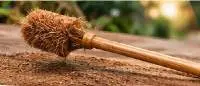
Coir bristle brush sticks are brush-making components manufactured using natural coconut husk fibres, known as coir. These fibres are used to produce durable brushing elements for household cleaning brushes, scrubbing tools, outdoor brooms, and selected industrial cleaning applications. Depending on the design, the product may be supplied as coir-filled sticks, bristle bundles, or prepared components for assembly into finished brushes. Fibre length, thickness, stiffness, colour, and density can vary according to the intended use and manufacturing process. Coir brush components offer a plant-based alternative to many synthetic bristles and can be customized to meet buyer specifications for size, shape, and packaging.
For jute yarn/twine: count-4lbs to 500lbs, form single and up to 8ply.
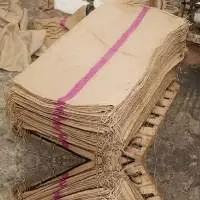
For jute bags:std.Binola, b.Twill, potato bags, coffee bags, rice bags and bags for various commodities.
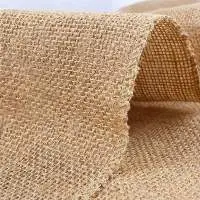
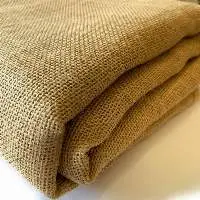
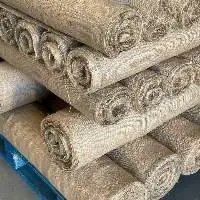
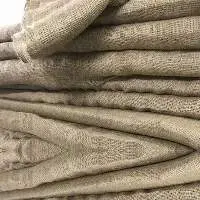
For jute cloths:hessian cloths of various quality and carpet backing cloths(cbc).
These baskets are really decorative and natural. Hanging baskets are made of jute. This is a natural eco-friendly material. can store onions, potato, apple, garlic, nuts or fruits in this hanging baskets.
Set of baskets also good as a plant holder. can put other materials according to needs.
These wall hanging baskets are really decorative and natural. Hanging baskets are made of jute. This is a natural Eco-friendly material. can store onions, potatoes, apple, garlic, nuts or fruits in this hanging baskets.
Set of jute baskets also good as a plant holder. can put other materials according to your needs.
Available in customized size,colour,design as per requirement.
These wall hanging and decor baskets are really decorative and natural. Hanging baskets are made of jute. This is a natural Eco-friendly material. Best option to store daily needs items, can store onions, potatoes, apple, garlic, nuts or fruits in this hanging baskets.
Set of jute basket also good for gifting. can put other materials according to your needs.
Traditionally jute are used in storing vegetables, fruits,cocoa .
Coir rope is a product made from coconut fiber, which is organic and environmentally friendly. Using coir rope in decoration, agriculture ... will contribute to making our living environment cleaner and more environmentally friendly.
100% Natural & Eco-Friendly
Made from renewable coconut fibre, fully biodegradable and plastic-free â?? a sustainable alternative to synthetic products.
Premium Quality Coir Fibre
Manufactured using high-grade coir with uniform texture, excellent fibre density, and consistent finish for professional use.
Highly Durable & Long-Lasting
Naturally strong and weather-resistant, suitable for both indoor and outdoor applications with extended service life.
Wide Range of Applications
Ideal for gardening, horticulture, agriculture, home decor, hanging baskets, and industrial uses meeting diverse buyer needs.