Supplier From
Shijiazhuang City,
China
Supplier From
Shijiazhuang City,
China
Description:
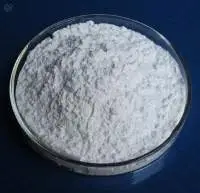
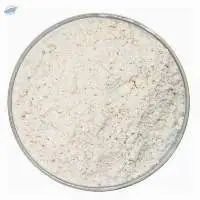
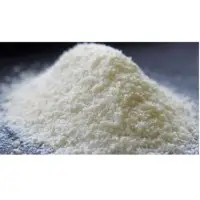
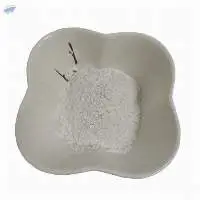
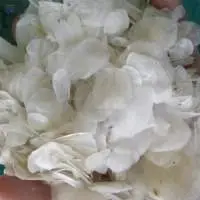
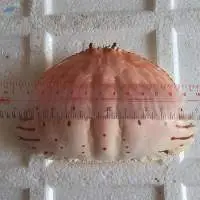
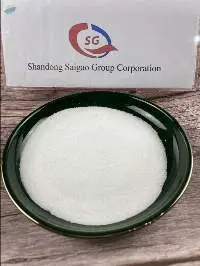
Chitin is a naturally occurring polysaccharide found in the shells of living organisms such as crabs, lobsters, tortoise, shrimps, and insects or it can be generated via fungal fermentation processes. And chitosan is a unique biobased polymer that is a derivative of chitin and forms the exoskeleton of arthropods. It is obtained by partial deacetylation of chitin using a chemical method or by enzymatic hydrolysis. In general, chitin with a degree of deacetylation of 70% or above is considered to be chitosan.
Application:
Chitin and its derivative chitosan are natural biopolymers which are extracted from crabs, prawns, and shrimps. Chitin consists of �²-(1,4)- linked 2-acetamido-2 deoxy-�²-D-glucose which is insoluble in water and hydrophobic in nature.
Chitin is a natural biopolymer, which is biocompatible and biodegradable and useful in many applications like biomedical, electronics, photography, and textiles. The main advantages of chitin and its derivates are the low cost and easily availability. The chitin-based composites like chitin beads, chitin nanofibers, and chitin hydrogels are used in drug delivery and tissue engineering applications. In recent times, chitin and its derivates have gained much importance in the field of electronic applications as sensors and energy storage applications. Chitin nanofiber papers are being used as flexible green electronics in solar cells and organic light-emitting diodes. Aksoy et al. prepared low-cost chitin derivatives with high conductivity, for the construction of Schottky diodes, which are useful for photoelectrical applications. Schauer et al. reported a variation of the piezoelectric effect of the chitin electrospun nanofibers.