Please click here to check who's online and chat with them.

Find Verified Meats Suppliers, Manufacturers and Wholesalers

Top Supplier Cities : Istanbul   -   Izmir  
GOLD Member
Aug-03-26
GOLD Member
Aug-03-26
GOLD Member
Aug-03-26

Frozen Chicken Breast And Inner Fillet Halal, Grade A

$2.60 - $4.20 / Kilogram (FOB)
MOQ: 25000  Kilograms
Sample Available
Supplier From Istanbul, Turkey
 Inquire Now  
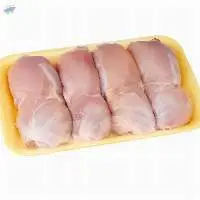
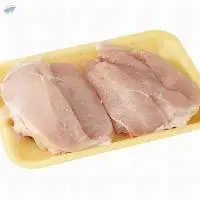
HALAL frozen chicken breast products from our contracted export-approved Turkish plants: skinless-boneless breast fillet, butterfly breast, inner fillet, skin-on options, strips, cubes and skewer cuts for food service and further processing. Calibration and trim level to buyer specification; IQF or interleaved block frozen at -18 C core, shelf life 12 months. Packing: 10-15 kg cartons, polybag or vacuum options, private label available. Documents: HALAL certificate, Health / Veterinary Certificate, Certificate of Origin. MOQ: 1 x 20 ft reefer (approx. 25 tons). Loading photo-video report standard on every shipment.
GOLD Member
May-07-25

Frozen Chicken Paws, Grade A

$2.90K - $3.15K / Metric Ton (CIF)
MOQ: Not Specified
Supplier From Istanbul, Turkey
 Inquire Now  
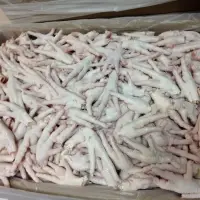
Physical Characteristics:
Parameter: Frozen Chicken Paws
Average Length 09-12 cm
Average Weight 30-45 grams
Skin: Yellowish/white (outer skin removed) Clean and white
Appearance No feathers, nails removed No feathers, nails removed
---
Processing Details:
Processing Method: Slaughtered, cleaned, scalded, outer yellow skin removed, nails trimmed
Temperature: Frozen at -18C
Packaging: BQF block frozen
Shelf Life: 24 months
---
Quality Assurance:
No bad smell, blood clots, black spots, or broken bones
Fully cleaned, no feathers
Halal Certification
---
Packaging & Delivery:
Packaging: 20 kg cartons
Labeling: Product name, net weight, origin, production and expiration dates, storage instructions
Container Load: Approx. 27 MT per 40'FCL (reefer container)
---
Factory code : SIF 1 / 2014 / 716 / 87 / 103
GOLD Member
Jun-30-26

Sunflower Meal / Cake Animal Feed,, Feed Grade High Protein (37-38% min)

$230 - $290 / Metric Ton (FOB)
MOQ: 500  Metric Tonnes
Sample Available
Supplier From Istanbul, Istanbul, Turkey
 Inquire Now  
Allseeds Turkey supplies high-protein sunflower meal of Ukrainian origin, produced as part of Allseeds Group's vertically integrated oilseed crushing operations. Our sunflower meal is a premium plant-based protein source for animal feed, widely used in cattle, poultry, swine and aquaculture rations.
As the international trading arm of one of Ukraine's leading oilseed processors, we offer consistent protein content, low impurity levels and reliable year-round supply. Full control of crushing, storage and logistics ensures stable quality and dependable lead times.

Available in bulk via vessel parcel, container or inland transport. Certificates of Analysis, phytosanitary and origin documentation provided with every shipment. We serve feed mills, livestock operations and feed compounders across the European Union, Middle East, North Africa, India, China and Southeast Asia.
Contact our commercial desk for current FOB and CIF quotes, protein specifications and sample requests.
337 Meats Suppliers
Short on time? Let Meats sellers contact you.
Mar-21-23

Frozen/fresh Sheep Meat

$0
MOQ: Not Specified
Supplier From Istanbul, Istanbul, Turkey
 Inquire Now  
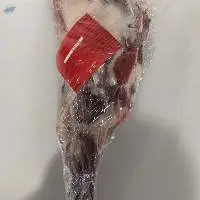
We supply fresh/frozen HALAL sheep meat, originated from Mongolia.
- Great business.
- Excellent quality.
- Reasonably cheap prices.

It would be our pleasure to do business with you.
GOLD Member
Oct-07-22
Supplier From Istanbul, Turkey
 Inquire Now
Aug-18-20
 Inquire Now  
We are directly from ukraine factory
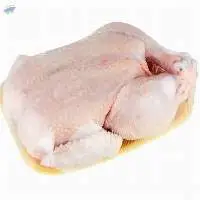
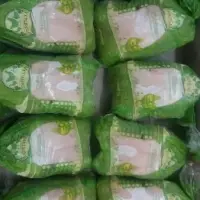
We are exporting halal whole chicken to GULF countries please ask for more details .For GULF countries price for MT 1490 usd CIF
Except Saudia arabia.
Jan-15-19

Whole Chicken

$1.65K
MOQ: Not Specified
Supplier From Istanbul, Turkey
 Inquire Now  
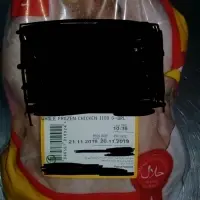
Origin Turkey

Weight per piece is 0.9-1.2 kg

CIF:1700USD/MT
Dec-12-18

Chicken Paws

$930
MOQ: 100  Meters
Supplier From Istanbul, Turkey
 Inquire Now  
B Grade : CIF Vietnam : 930 usd/mt
A Grade : CIF Vietnam : 1.430 usd/mt
A+ Grade : CIF Vietnam : 1.950 usd/mt

Origin: Turkey

Payment Method: l/c or T/T
Jan-15-19

Chicken Wing

$1.80K
MOQ: Not Specified
Supplier From Istanbul, Turkey
 Inquire Now  
Chicken Wing

Origin Turkey

CIF: 1950USD/MT
Apr-25-19
Supplier From Istanbul, Turkey
 Inquire Now  
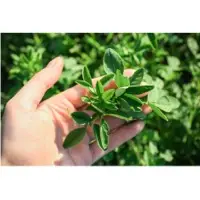
Medicago Stavia, better known as alfalfa or lucerne is in the same plant family as peas, beans and clover. Below are a few reasons why alfalfa is still used for horses today.

The fibre in alfalfa gives your horse slow release energy which they can use for maintenance, work or putting on weight.

Alfalfa has a very low content of both starch and water soluble carbohydrates (WSC) such as sugars and fructan.

Protein has historically been thought to be the cause of all evil in horses but research has shown that this is not the case and in fact, high starch or sugar diets are culprits. Protein is made up of building blocks called amino acids and these are converted into tissues such as muscle. Feeding alfalfa is a safe way to build muscle tone.

Alfalfa is rich in beta carotene which is converted to vitamin A in the body. It also contains vitamin E and the B vitamins Thiamin, Riboflavin, Pantothenic acid, Biotin and Folic Acid. Alfalfa contains valuable levels of the trace mineral cobalt that enables the horse to synthesize vitamin B12 which is involved in iron absorption and utilization.
Apr-25-19
Supplier From Istanbul, Turkey
 Inquire Now  
Timothy hay is high in fiber, has a high energy content, and is also easily digested by beef and dairy cattle. Due to its relatively lower protein content, timothy must be combined with alfalfa when used as food for dairy cattle.

Hypocalcemia, or milk fever, is a common problem that negatively impacts between 5% to 10% of every herd cattle. Subclinical hypocalcemia can impact up to half a herd at any given time, but typically occurs right before or after calving. This condition makes it difficult for cattle to absorb calcium, so timothy hay’s low-calcium, low-potassium content makes it ideal for dairy herds. To help prevent hypocalcemia, timothy hay is typically added to the cow’s diet 3 to 4 weeks before calving is to occur. The timing helps reduce potassium concentrations within the bloodstream and has considerable effect on the animal’s health.

Including this product within a beef herd’s diet has a positive impact on the meat that is eaten by humans. Timothy fed cows are typically low in fat, with tender muscle, and are ideally suited for consumer tastes, which can enhance the cattle’s market value. However, most cattle will not eat a diet consisting solely of timothy hay. For this reason, it is often mixed with alfalfa to create a palatable balance within the cattle’s diet.
Apr-25-19
Supplier From Istanbul, Turkey
 Inquire Now  
Alfalfa, known as the “Queen of forages”, is a legume, a nitrogen fixing plant that can extract nitrogen from the atmosphere and incorporate into plant proteins. The quality of alfalfa protein is excellent with more than 70% of its total protein being digestible.

Alfalfa has one of the highest feeding values of forages. However, it is sometimes underestimated as an energy source. A ton of alfalfa hay contains as much TDN as 25 bushels of corn (and as much protein as 2/3 ton of soybean meal).

Alfalfa hay will pass through the rumen of a cow in about one-half the time required by grass hay (36 vs 70 hours). Therefore, animals fed alfalfa hay tend to gain body weight faster, produce more milk, and maintain themselves in better condition than those fed other forages.

Alfalfa can provide most minerals and vitamins at less cost than if supplied from processed sources. If alfalfa hay of 1% of the total body weight of the cow is fed, the beef animal will meet its daily requirements for calcium, magnesium, potassium, sulfur, iron, cobalt manganese and zinc. Phosphorus levels of alfalfa are more moderate, but still high enough that if fed at the above rates will supply about 2/3 of the daily requirements needed. The high level of calcium in alfalfa is especially important for lactating cows, young developing replacement heifers and bulls.

Mineral content of alfalfa is related to fertilization and local soils. Ceads is harvesting the alfalfa from the land on which the plant has originated in history and given the rich and fertile soil in addition to the adequate climate, the alfalfa plant raised on this soil is highly rich in minerals and especially lab results show that CEADS alfalfa has up to three times more calcium than alfalfa grown elsewhere. It is therefore an excellent feed specially for dairy cows.

Leafy, green alfalfa hay is unusually high in carotene, the precursor of Vitamin A. Vitamin A is the most common beef cow vitamin deficiency. Good quality alfalfa hay can furnish all the Vitamin A needs of beef animals. In addition to many dietary functions of Vitamin A, this vitamin also may have therapeutic value, and be a contributing factor in preventing “shipping fever complex” and other disorders associated with animal stress.
Apr-25-19
Supplier From Istanbul, Turkey
 Inquire Now  
Horse owners consider timothy the gold standard in grasses for horses, primarily when it is harvested and cured as hay. It has high fiber and relatively low protein content and is the most digestible of all hays.

Timothy hay is often recommended for horses in intensive training programs. Timothy hay is excellent for impaction and colic prone horses and is fed to horses by surgical clinics after impaction surgery in conjunction with alfalfa. Timothy hay is also excellent for foundered and obese horses and it has been said to help mares foal 40% easier.

Horses are pasture animals. Their normal activities include grazing anywhere from 10-15 hours a day. Problems can arise in horses that are confined to stalls for long periods of time. They may develop kicking habits due to boredom or hunger or will continuously walk around their stall in circles which causes damage to ligaments and joints. To avoid or decrease this behavior, free feeding timothy is recommended because of the extended chewing time it offers. It will keep them busy and closer to their natural state.

Horses that are fed timothy hay will have a shiny coat due to the natural oils timothy has and is perfect for horses that are protein sensitive. Furthermore, timothy hay does not create fat around the diaphragm and this enhances breathing and endurance.
Apr-25-19

Alfalfa Hay

MOQ: Not Specified
Supplier From Istanbul, Turkey
 Inquire Now  
Alfalfa originated in the vicinity of what is now Turkey and Iran, and undoubtedly was consumed by grazing animals long before there was any recorded history. It probably was domesticated in this area, and some historians believe this may have occurred concurrently with domestication of the horse. It is thought to be the first plant grown strictly for forage.

The earliest clear reference to alfalfa was in Turkish writings dating from 1300 B.C. However, at least one historian believes it is probably that alfalfa was cultivated 8,000 to 9,000 years ago (6,000 to 7,000 B.C.). Regardless, it is clear that alfalfa was recognized as a valuable crop by early man

The above information is based on the study by Don Ball, Extension Agronomist Auburn University, and presented at the 2000 Kentucky Alfalfa Conference.

Today, CEADS is harvesting the alfalfa in Turkey grown only on the land exactly where this plant originated from and based on tons of samples collected from different parts of the country, the yield in this part of the country is proven by lab results to be the highest quality of all.

Today, it is no secret that alfalfa can provide excellent nutrition for all types of forage-consuming animals. Production of more than 30 kg of milk/dairy cow/day have been obtained from alfalfa/grass pasture alone. Beef gains of more than 500 kg/4k m2 have been reported on alfalfa/grass without supplementation. Fattening lambs have produced gains as high as 400kg/4k m2.

In many parts of the world alfalfa is commonly used to provide nutrition for various other animals including goats, oxen, and water buffalo. Alfalfa hay is widely fed to horses, mules, and donkeys. The crop is fed to camels in the Middle East, to llamas in South America, and to ostriches in South Africa. Alfalfa hay is also preferred feed for zoo animals in the United States and elsewhere.
Apr-25-19

Timothy Hay

MOQ: Not Specified
Supplier From Istanbul, Turkey
 Inquire Now  
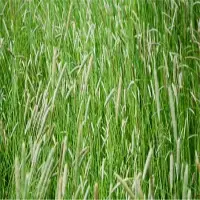
Timothy grass is one of the most popular cool-seasoned perennial grasses. Timothy is highly palatable to livestock and produces high quality forage for hay and grazing. It is a premium feed for horses and calves. It is known for being rich in nutrients and high forage quality.

Timothy grows best on rich, moist bottomland and on finer textured soils, such as clay loams. The best quality is found in cold climates and mountain areas. Timothy grass does not tolerate drought and periods of prolonged high temperatures above 25 degrees C.

Ceads timothy hay is premium quality and comes only from the Eastern part of the mountainous region where the highest temperature even in summer does not exceed 23 degrees C.

The highest quality of Timothy hay is typically harvested at the early flowering stage, when it is rich in nutrients and is very tender. The quality of hay may degrade as the plant matures past the blooming stage, so it is very important to harvest the hay at the proper time in growth cycle. We always strive to produce the best quality and highest nutritional value hay by harvesting our hay at an early point of maturity.
GOLD Member
Dec-29-25
Supplier From Istanbul, Turkey
 Inquire Now
Sep-30-23

Chicken Egg

MOQ: 25  Tons (US)
Supplier From Istanbul, Turkey
 Inquire Now  
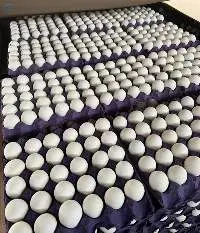
Fresh chicken table eggs, MOQ 1 40 ft container.
* Small 18.5 to 19.5 KG / Box - 1248 boxes / 1 40 ft container (90 days shelf life)
** Medium 21.5 to 22.5 KG / box - 1248 boxes / 1 40 ft container (90 days shelf life)
*** Large 24 to 24 Kg / box - 931 boxes / 1 40 ft container (90 days shelf life)
Jun-06-20
 Inquire Now  
We are exporter of fresh turkish origin eggs from Turkey factories
one box is 18 usd for medium size
19 usd fob for large size
337 Meats Suppliers
Short on time? Let Meats sellers contact you.
See what buyers and suppliers are discussing in Meats import export community

Frequently Asked Questions (FAQs)


1. What are the main export grades used for beef and poultry meat in international markets?

It is important to note that grades vary by country, but usually consider texture, marbling, and fat content. Poultry products are commonly graded as A, B, or C as per their appearance and meat quality.

2. Which countries are the leading meat and poultry products exporters worldwide?

Ukraine, the United States, and Brazil are the leading meat and poultry exporters worldwide.

3. What documents are needed to import meat and poultry products?

You usually need a veterinary health certificate, a certificate of origin, and an import permit.

4. How is freshness ensured in frozen meat and poultry exports?

When it comes to maintaining freshness, producers use quick-freeze methods and refrigerated containers to keep meat safe and fresh during shipment.

5. What defines premium-grade meat and poultry?

Premium-grade meat & poultry products come from healthy livestock, processed under hygienic conditions, and have full traceability from farm to export.

6. What are the key microbiological tests for meat and poultry?

Common tests include those for Salmonella, E. coli, and Listeria to confirm food safety.

7. Which meat is considered No. 1 in the world?

Chicken is currently the most consumed meat globally because of its affordability, versatility, and quick cooking time.

8. What are the main quality standards for meat and poultry exports?

When sourcing, make sure your meat and poultry exporter complies with HACCP, ISO, and veterinary health regulations to ensure safe, hygienic, and traceable products.

9. What are the inspection standards for meat and poultry imports?

You should follow inspection standards and check for temperature control, hygiene, labeling, and packaging compliance with national regulations.

10. How to find reliable meat & poultry suppliers online?

In order to find reliable meat & poultry suppliers online, you can visit B2B platforms like go4WorldBusiness or search online using targeted keywords like 'meat and poultry suppliers near me.'

11. What are the main types of meat and poultry traded?

The most traded types include chicken, beef, mutton, and processed meat products such as sausages and canned meat.

12. What are the top meat and poultry-producing or consuming countries?

The United States, Brazil, China, and India are major meat & poultry producers, while Asia and the Middle East are among the fastest-growing consumer markets.