Long length poly cotton mix tunic, quality fabric with popper front and piping detail.
Ideal for dentists, beauty sector, vets, nursing home carers and anyone in the medical sector.
Selections of styles available on request depending on your industry.
Regular Fit
65% polyester 35% cotton
The decapsulation procedure consists of chemically removing or oxidizing the outer chorion hypochloride solution. All that remains following decapsulation is the bright orange embryo surrounded by a thin hatching membrane. The decapsulated cysts are neutralized and are completely digestible by the fish or shrimp larvae.
â?¢Feed Guide: Feed Decapsulated Artemia directly to the culture tanks. Do not incubate as with hatching cysts as these cysts will not hatch. As a feed source, it have a higher energy and nutritional value than live Artemia nauplii as zero energy is consumed in the hatching process and lipids, amino acids, and enzymes are left intact.
Storage: Stored under cool dry conditions where it can be stored in excess of 24 months.
Packaging: By 500g vacuum sealed tin cans and packed 12 per carton or by 25kg vacuum sealed plastic pails.
The products are non-toxic, non-irritating, water-soluble and soluble in many organic compounds. They are widely used in cosmetic, pharmaceutical, chemical fiber, rubber, plastic, papermaking, paint, electroplating, pesticide, metal processing and food processing industries due to their excellent lubricity, moisture, dispersity, adhesives, antistatic agents and softeners.
Application:
Peg is best for soft capsules. Because PEG is a liquid, it has extensive compatibility with various solvents, is a good solvent and solvent, is widely used in liquid preparations, such as oral liquid, eye drops, etc.
Storage:
The product is non-toxic and difficult to burn. It can be handled according to the general chemical transportation regulations. It can be stored in a dry and ventilated place to avoid sunlight and rain.
Sodium lauryl sarsinine in cosmetics, skin care products, the main role is antistatic, foaming agent, detergent, surfactant, the risk factor is 3, relatively safe, can rest assured to use, for pregnant women generally has no effect, sodium lauryl sarsinine has no acne. N - laurel phthalein sarcosine sodium is a kind of amino acids anionic surfactants, with low toxicity, low irritation, good biodegradability, better compatibility and antimicrobial properties and corrosion resistance and other characteristics, widely used in daily chemicals, food, metal processing, mineral flotation, the deployment of pesticides and biological medicine, etc
item
value
CAS No.
137-16-6
Other Names
Sodium lauroylsarcosinate
MF
C15H28NNaO3
EINECS No.
205-281-5
Place of Origin
China
Purity
30% 95%
Appearance
Colorless clear liquid and White powder
Usage
Cosmetic Raw Materials
Brand Name
SXNP
Model Number
SXNP-137-16-6
Product name
Sodium lauroylsarcosinate
CAS
137-16-6
Flash point
267
Melting point
46 C
PH
7.0-9.0 (25, 1M in H2O)
Density
1.033 g/mL at 20 C
Sample
Available
Appearance
White Prowder
MOQ
1 Kg
Application
Hand soap, body wash, shampoo
22047 Industrial Clothing Suppliers
Short on time? Let Industrial Clothing sellers contact you.
During Hindalco's copper production process, by-products such as sulphuric acid and copper slag are formed. Sulphuric acid is partly converted into phosphoric acid, which is then made to react with ammonia to make di-ammonium phosphate (DAP) fertiliser. During the process of making phosphoric acid, phosphogypsum and hydrofluosilicic acid (HFA) are formed. HFA is partly utilised to make aluminium fluoride, and rest is sold in the market.
Sulphuric acid
Hindalco produces sulphuric acid of IS 266/1993 technical grade. The sulphuric acid plants use the double contact double absorption (DCDA) process, and are designed by Monsanto Envirochem (USA).
Phosphoric acid
Hindalco's phosphoric acid plant is based on the Prayon Mark IV dihydrate technology provided by SNC Lavalin (Belgium).
Phosphogypsum
Phosphogypsum is a by-product of Hindalco's phosphoric acid plant.
Copper slag (iron silicate)
Copper slag is produced during the smelting process at Hindalco's copper smelter located at Dahej.
Aluminium fluoride:
Hindalco produces aluminium fluoride by reacting HFA (a by-product of the phosphoric acid plant) with aluminium hydroxide (from Hindalc's aluminium manufacturing facilities).
This alcohol is also known as Methyl Alcohol or MeOH, primarily from natural gas. It finds major application from clothing to fuel, as a precursor for other chemicals, such as formaldehyde, acetic acid, and MTBE (octane booster in gasoline). It can also be applied as a denaturant for ethanol and solvent.
Supplying from various large governmental manufacturing companies having the state-of-art facilities, We, as Arij Global Trading, are the leading and a main supplier and exporter of Methanol with high quality and very much competitive price.
Sodium Tripolyphosphate (STPP), the sodium salt of polyphosphate penta-anion, also known as pentasodium tripolyphosphate or sodium triphosphate is an inorgaic compound with formula Na5P3O10.It is the sodium salt of the poly phosphate penta-an, it is thr conjugate base of triphosphoric acid.
Specifications of STPP Glaze
Chemical Analysis Percentage (%) Physical Properties Test Result
P2O5 56.85 Physical State Solid
Na2O 40.64 Color White
SiO2 0.07 Odor Odorless
Al2O3 0.07 Whiteness Above 90
Fe2O3 0.01 PH of 1.0% 12.50
Loss (1025) 0.84
How is STPP Used in Ceramic Sector?
Sodium Tri Polyphosphate (STPP) is generally employed as a dispersing agent in ceramic processing and could be a low-cost plasticizer for ceramic based materials. The effect was inverted in the case of higher STPP concentrations, for which faster setting of ceramic product can be observed.
What are the Applications of STPP in others?
In household cleaning products, sodium tri polyphosphate is used most widely as builder. In conjunction with surfactants, it allows detergents to perform efficiently in all washing conditions. It is widely used in laundry detergents, dishwasher detergents, industrial and institutional detergents
Sodium Tripolyphosphate (STPP), the sodium salt of polyphosphate penta-anion, also known as pentasodium tripolyphosphate or sodium triphosphate is an inorgaic compound with formula Na5P3O10.It is the sodium salt of the poly phosphate penta-an, it is thr conjugate base of triphosphoric acid.
Specifications of STPP Body
Chemical Analysis Percentage (%) Physical Properties Test Result
Loss 43.07 ± 5 Physical State Solid
SiO2 26.00 ± 5 Colour White
Na2O 29.83 ± 5 Odor Odorless
F 1.1 ± 5 Whiteness 90
PH of 1.0% 12.50 Melting Point 72.2
How is STPP Used in Ceramic Sector?
Sodium Tri Polyphosphate (STPP) is generally employed as a dispersing agent in ceramic processing and could be a low-cost plasticizer for ceramic based materials. The effect was inverted in the case of higher STPP concentrations, for which faster setting of ceramic product can be observed.
What are the Applications of STPP in others?
In household cleaning products, sodium tripolyphosphate is used most widely as builder. In conjunction with surfactants, it allows detergents to perform efficiently in all washing conditions. It is widely used in laundry detergents, dishwasher detergents, industrial and institutional detergents
TMI 45.48.4.200429 - Multifunctional Suction Blower Bridge Type Ironing Table
Product Details
Mufti functional suction type hot blast Bridge station electronically controlled pneumatic operation, simulated human body structure design reasonable ironing table according to the human level down automatically, the other with a unique suction blower unit. In the middle of the ironing table applies to all types of clothing, finished ironing on the exhaust, throttle control die conversion foot switch controls the main motor, saving energy according to user requirements, configure iron hanger is Aurora lighthouse.
Operating principle:
The ironing table using multi-blade centrifugal impeller, suction, low noise, dehumidifiers styling effect using quality materials, melt suction dehumidifiers to wave inone, tops, perforated moulding and self-absorption using blast high-speed motor by hand ironing station, multi blade centrifugal fan wheel, automatic dehumidifier has reasonable structure design steam ironing table.
Equipment Features:
1.Self-priming suction blast of hot air scouring counter tops, hot and cold spotting gun, scouring ironing can be synchronised, time-saving station comes
2.Suction blast ironing table comes with lighting facilities and ironing saving devices, easy and flexible, lightweight and extremely.
3.Suction blast ironing table configuration efficient steam separator device and the Italian original electric steam iron.
4.Full computer control, suction, blowing fast switching, simple operation, automatic water, soft drinks automatic separation system.
5.Using imported sponges, crisp and permeability is good. Luxury fashion exterior design, manufacture beautiful, economical and practical, superior performance, is the ideal Equipment to replace imports of similar products.
Product Usage:
It is suitable for all kinds of fabrics and semi finished products, iron, cotton, wool, synthetic and blended fabrics, the fabric flat after ironing, very wide, can not afford to light, shaping effect, does not damage the weave, the production of shirts, fashion, sheep sweaters, suits and other clothing necessary ironing equipment.
I hope this message finds you well. My name is ANKIT GARG. I am from Desai Exports, a supplier and exporter of high-quality Food ingredients, agro commodities, and Spices.
We want to expand our business with your company and seek reliable partners or buyers like you who are interested in importing Food ingredients, agro commodities, and Spices. Our products meet international quality standards and are competitively priced with prompt delivery. We are also exporting to 44+ Countries Globally.
Product Name: N-METHYLANILINE - PURITY 99%
Other Means of Identification: Mixture
Product Code: NE1818
Part Number: H.S Code: 2921420090
Recommended Use of the Chemical and Restriction on Use: Fuel additive, solvent.
Details of Manufacturer or Importer: NUGEN ENVIROTECH
Physical and Chemical Properties
Appearance:
Form: Liquid
Colour: Clear yellow
Odour: Weak ammonia-like odour
Odour Threshold: No information available
pH-Value: No information available
Melting point/freezing point: -57 C
Initial Boiling Point/Boiling Range: 196C
Flash Point: 78 C
Flammability: Combustible
Auto-ignition Temperature: 500 C
Transport Information
UN Number
ADG, IMDG, IATA UN2294
Proper Shipping Name
ADG, IMDG, IATA N-METHYLANILINE
Dangerous Goods Class
ADG Class: 6.1 Toxic substances.
A masterbatch is a concentrated mixture of pigments or additives that are used in the plastics industry to color or enhance the properties of plastic products. It is a cost-effective and efficient way to introduce colorants, UV stabilizers, flame retardants, and other additives into plastics during the manufacturing process. Masterbatches are typically in the form of small pellets or granules that can be easily mixed with the base plastic resin, resulting in a consistent and uniform color or modification throughout the final plastic product. They play a vital role in achieving desired visual and performance characteristics in a wide range of plastic applications, from packaging materials to automotive components and consumer goods.
Magnesium sulfate, commonly known as Epsom salt, is a chemical compound with the formula MgSO4. It is a versatile mineral compound used in various applications. In agriculture, magnesium sulfate is employed as a fertilizer to correct magnesium deficiencies in soil, promoting plant growth and health. In the medical field, it is used as a laxative and in certain medical treatments for conditions like eclampsia and pre-eclampsia during pregnancy. Additionally, Epsom salt is popular in personal care and wellness practices, where it is added to bathwater for its potential muscle-relaxing and soothing properties. Its multi-purpose utility in agriculture, healthcare, and relaxation underscores its significance in different aspects of everyday life.
Glycerine, also known as glycerol or glycerin, is a colorless, odorless, and sweet-tasting liquid with the chemical formula C3H8O3. It is a versatile and widely used compound in various industries. Glycerine has a notable role in the food and pharmaceutical sectors as a humectant, sweetener, and thickening agent. In cosmetics and personal care products, it serves as a moisturizer and skin protectant due to its ability to retain moisture. Glycerine also finds application in the production of explosives, antifreeze, and as a lubricant in various mechanical systems. Its multiple properties, including its non-toxic nature, make glycerine a valuable and safe ingredient in a wide range of consumer and industrial products.
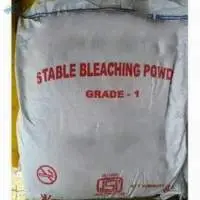
Chlorine is a highly reactive chemical element with the symbol Cl and atomic number 17. It exists as a diatomic gas with a distinct, pungent odor and is widely known for its role as a disinfectant and bleaching agent. Chlorine is extensively used in water treatment to kill bacteria and make drinking water safe, and it plays a crucial role in sanitizing swimming pools. Additionally, it is a key component in the production of a wide range of chemicals, including plastics, solvents, and pesticides. Chlorine's versatile properties and ability to disinfect and oxidize contaminants make it an invaluable resource in public health, industry, and various chemical processes.
Acetic acid, commonly found in vinegar, is a colorless organic acid with a sharp, pungent odor and a sour taste. It is a crucial component in vinegar production, where it is formed through the fermentation of ethanol by acetic acid bacteria. Acetic acid is widely used in the food industry as a flavor enhancer and preservative, as well as in household cleaning products. It also has industrial applications in the manufacture of various chemicals and plastics. Its distinctive taste and versatile properties make acetic acid a fundamental ingredient in both culinary and industrial processes.
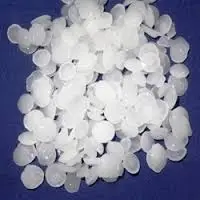
Caustic soda or Caustic Soda Prill or Caustic Soda Flakes is also known as sodium hydroxide(NaOH) and Lye. This name is given because of the corrosive nature of the salt on plant tissues and animals. It is a versatile alkali. It is an extremely alkali and caustic base that deteriorates proteins at ordinary ambient temperatures and also causes serious chemical burns. Sodium hydroxide is a white solid ionic compound comprise of hydroxide anions OH- and sodium cations Na+.
Application & Usage:
In the Paper Industry, caustic soda is normally in the form of lye to separate the lignin that ties the fibers in the chemical pulping process. It is also used for paper recycling operations.
In the refining of edible oil, sodium hydroxide is utilized as a neutralizer to remove free fatty acids that can give the oil an annoying taste.
In the Petroleum Processing refineries, caustic soda is used for an alkalinity source in the liquid scrubbing of Sulphur dioxide in flue gases manufacture from crude-oil-fired steam generators used in thermally enhanced oil recovery. It allows the SO2 scrubber to run at a lower pH with a higher SO2 removal proportion. This process is called desulfurization.
In the mining and refining, the alumina is manufactured from bauxite, it is an ore that is extracted from topsoil in different tropical and subtropical regions using The Bayer he Bayer. To extract alumina, bauxite is crushed, washed, and dried. After that, it will be dissolved with sodium hydroxide at very high temperatures. Alumina is extracted in the form of sodium aluminate. To produce aluminum it required multiple processes to get that.
In the water treatment process, Caustic soda is very helpful in the pH neutralizing and adjustment of water streams. It is also used to raise the pH of water supplies.
In different industries, sodium hydroxide is often used as a cleaning agent. Especially for sterilization and cleaning of bottles in the beverage industry.
In chemical processing, caustic soda(NaOH) is used for delivering sodium to its final form and reactive agent in the production process and for many various purposes. It is also used to produce silicates and meta-silicates, bleach, fibers, also in food processing.
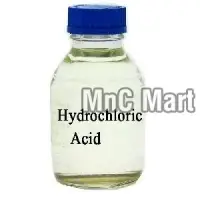
Classification: Mineral Acid
CAS No.: 7664-93-9
Other Names: Hydrogen Sulphate, Oil of Vitriol, Battery Acid
Place of Origin: India
Grade Standard: Commercial
Purity: 98%
Appearance: Odorless, Clear to Amber, Heavy, Oily Liquid
Application: Cleaning of Metals, Removal of Impurities from Oil, Manufacturing of Chemicals Nitric Acid, Hydrochloric Acid, Synthesis of Dye, Detergents, etc.
22047 Industrial Clothing Suppliers
Short on time? Let Industrial Clothing sellers contact you.