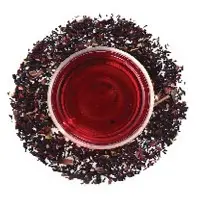
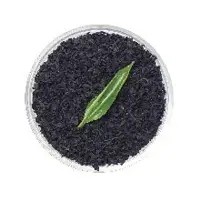
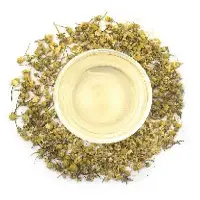
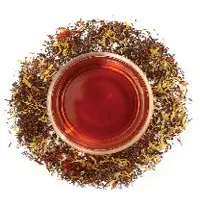
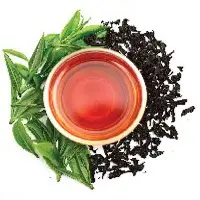
Flavored teas are specially produced by blending tea with the most fragrant natural flowers, fruits and spices around the world. Teas are blended using state- of-the-art-technology, which results in fresher teas with more pronounced tinges and greater complexities on the palate.
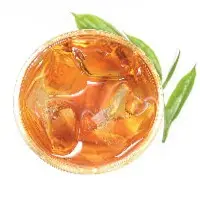
Iced Tea is a form of cold tea with sugar or a sweetener added in it. Though usually served in a glass with ice, it can refer to any tea that has been chilled or cooled. It may be sweetened. Iced tea is also a popular packaged drink. It can be mixed with flavored syrup, with multiple common flavors including lemon, raspberry, lime, passion fruit, peach, orange, strawberry, and cherry.
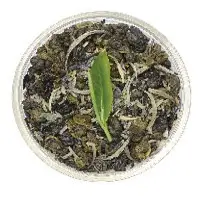
White tea is the least processed of all teas. Only the unopened buds and young leaves covered in silver fuzz are used, and they are merely withered and dried. White tea produces a very light-colored infusion with mild flavor. Its caffeine content is even lower than that of green tea and is considered to have a very high level of antioxidants. White tea is best consumed without any additives at all.s.
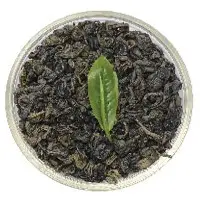
Green tea is 'unoxidized' tea. The leaves are heated soon after picking in order to destroy the enzymes that cause oxidation. This type of processing preserves a high level of antioxidants, vitamins and minerals accounting for the various health benefits of green tea. The infusion is pale greenish yellow in color and tastes light and grassy. It is best consumed without any additives, although some people may prefer to add lemon or a sweetener but not milk.
Black tea is the most common type of tea accounting for up to 85% of total tea consumption in the western world. Black tea is fully oxidized and has darker appearance, stronger flavor and higher caffeine content compared to other teas. The caffeine content in black tea is still around half the level of coffee. Often black teas can be consumed with sugar, milk or lemon and offer some of the same health benefits as other teas.
27 Tea Extracts Suppliers
Short on time? Let Tea Extracts sellers contact you.
Caffeine-free refers to offerings not related to Camellia Synesis, the species of plant whose leaves and buds are used to produce tea. Examples of naturally caffeine-free plants are hibiscus, chamomile and rooibos, which are used to create herbal infusions known as tisanes.
Herbal infusions from other plants are also sometimes referred to as tea, although not to the purists. The correct term for any non-tea beverage is tisane or just herbal infusion. Examples include chamomile, peppermint, rooibos, etc.
Carefully hand plucked, meticulously manufactured in the richest tea estates of Sri Lanka gives a unique tea experience. The mountain soil, and the dedicated workers who tend the bushes and meticulously process the tea leaves combine to create an exquisite flavor and balance to these teas.
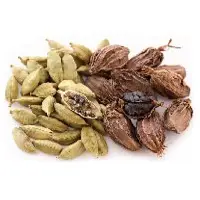
Cardamom, also known as Cardamom, is a small spindle shaped seedpod with black seeds inside. The covers are thin and pale green (Elettaria) or dark brown (Amomum). It is the third on the list of the world’s most expensive spices, right behind vanilla and saffron. Cardamom is used as a cooking spice as well as flavoring (mainly for tea and coffee).
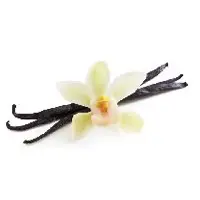
Vanilla is a word that has Spanish origins and comes from the word ‘vaina’, literally translating to ‘little pod’. It is a flavoring extracted from orchids of the Vanilla genus, mainly the Mexican flat-leaved Vanilla. Since the only natural pollinator is a Mexican species of bee, hand pollination is required to grow it in any other countries other than Mexico and South America.
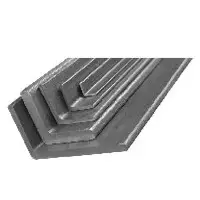
We supply mild steel angle iron from stock in 3 meters or 6meters lengths and it is ideal for making things like shelves, brackets, frames, racks and most general fabrications. If you require items cut to a specific length most sizes can be ordered to your exact length by entering your custom cut sizes on the product page, if not then please call our customer service team who will be happy to help.
C-Channels are standardized channel section. The hot rolled execution has conical flanges, while the laser fused has parallel ones. Both their tolerances are defined by ASTM A 484, the laser fused execution has additionally the product standard defined by ASTM A1069.C-Channels in stainless steel are used in commerce and industry but also in machinery and equipment building.Stainless steel profiles are produced mainly from scrap and can be recycled again after utilization so new resources can be conserved.
I-beams are commonly made of structural steel but may also be formed from aluminium or other materials. A common type of I-beam is the rolled steel joist (RSJ). British and European standards also specify Universal Beams (UBs) and Universal Columns (UCs). These sections have parallel flanges, as opposed to the varying thickness of RSJ flanges which are seldom now rolled in the UK. To explore what fits your requirement best, get in touch with the Central Trading Team for more details.
Copper tubing is most often used for supply of hot and cold tap water, and as refrigerant line in HVAC systems. There are two basic types of copper tubing, soft copper and rigid copper. Copper tubing is joined using flare connection, compression connection, or solder. Copper offers a high level of corrosion resistance. Please speak to the Central.
Sheet metal is metal formed by an industrial process into thin, flat pieces. Sheet metal is one of the fundamental forms used in metalworkingand it can be cut and bent into a variety of shapes. Countless everyday objects are fabricated from sheet metal. Thicknesses can vary significantly; extremely thin sheets are considered foil or leaf, and pieces thicker than 6 mm (0.25 in) are considered plate.Sheet metal is available in flat pieces or coiled strips.
Purely refined iron bars and rods made to cater hardy constructions both indoor and outdoor. The bars and rods come in various strengths and millimeters, therefore please contact the Central Trading International team for more information and explore the best fit for your purpose.
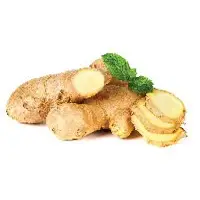
Ginger is the root of flowering plant. It is used as a spice for food, flavouring for beverages or in folk medicine. Ginger originated in South China and later spread all over Asia followed by the African continent. The spice was introduced to Europe from India in the 1st century AD. Today it is a very commonly used spice globally.
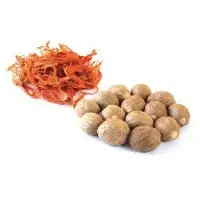
Nutmeg is the seed of a type of evergreen tree (Myristicafragrans), while mace is the reddish netlike covering surrounding the seed. Nutmeg and mace are used as a flavoring for many sweet dishes from the cuisines of various countries, and as a spice in many savory dishes. Nutmeg is also an essential ingredient in many Christmasfavorites such as mulled cider, mulled wine and eggnog. Nutmeg is also used for perfume and medicine.
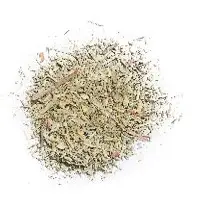
Lemongrass is a culinary herb which as a subtle citrus flavor. It is very popular in Asian cuisine and can be used fresh or dried and powdered. Lemongrass is used as a medical herb, pesticide and preservative as well. When it comes to citronella grass, it is from the same family of plants and is a very close relative to lemongrass.
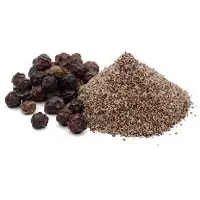
Pepper generally refers to black, white and green pepper. Black pepper is the unripe fruit of the pepper plant, piper nigrum, cooked and dried. Green pepper refers to the dried, but uncooked, unripe fruit of the pepper plant. White pepper, on the other hand, is the seeds from ripe pepper fruits. Pepper is the spice that is most commonly traded in the world.
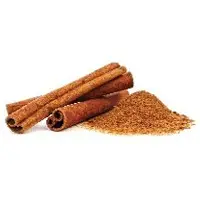
Cinnamon refers to CinnamomumVerum or ‘true cinnamon,’which is a plant endemic to Sri Lanka. Most other cinnamon (from other countries) is from related species of plants and is called ‘cassia’. It is a spice obtained by making shavings (also known as quills) of the inner bark of the cinnamon plant. Cinnamon trade has a very long history and records show cinnamon in the spice trade of Egypt as early as 2000BC.
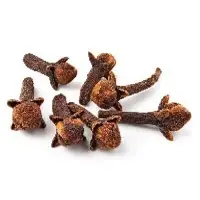
Cloves, which are the flower buds of a form of evergreen tree, originate from the Maluku Islands, Indonesia. They are primarily used as a spice, but are also used for medicine, fragrance (pomander) and clove cigars. Cloves are harvested and traded mainly in Sri Lanka, India, Indonesia, Madagascar, Pakistan, Tanzania and Zanzibar.
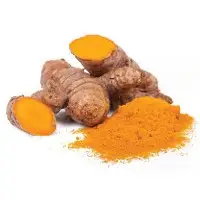
Turmeric (binomial name: Circuma longa), once processed from the rhizomes, is a deep orangish yellow powder. It is used mainly to impart color or in other words dye foods. When it comes to flavor, the spice tastes slightly bitter and peppery with undertones of earthy flavor. Though used mainly as a powder, turmeric is also used fresh in its rhizome form in certain regions of the world.
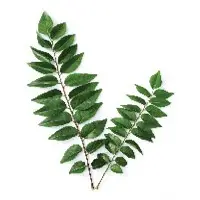
The Curry Tree (binomial name: Murrayakoenigii) is a tropical tree native to India and Sri Lanka. Its fragrant leaves are called curry leaves as they are popular for spicing up curries. They are mostly used as seasoning in the cooking of Sri Lanka, India and their neighboring countries. Curry leaves have many medicinal properties including being anti-diabetic.
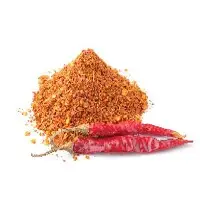
The chili is a fruit of plants from the genus Capsicum, members of the nightshade family, Solanaceae. They are widely used in many cuisines to add spiciness to dishes. The substances that give chili peppers their intensity when ingested or applied topically are capsaicin. Chili Powderis the dried, pulverized fruit of one or more varieties of chili pepper, sometimes with the addition of other spices. It is used as a spice to add pungency or piquancy and flavor to dishes.
A street light, light pole, lamppost, street lamp, light standard, or lamp standard is a raised source of light on the edge of a road or path. Modern lamps may also have light-sensitive photocells that activate automatically when light is or is not needed: dusk, dawn, or the onset of dark weather. This function in older lighting systems could have been performed with the aid of a solar dial. Many street light systems are being connected underground instead of wiring from one utility post to another.
Iron C channels, angle iron, iron I beam, copper tubes, metal sheets, iron bars and rods, street lights, tea, spices like red chilli, curry leaves, turmeric, cloves, cinnamon, pepper, cardamom, nutmegs, lemongrass, vanilla, fresh ginger.