Saffron and pine nuts
Pistachio, pine nuts
Softwood/pine
Softwood pine
Pine bark
Pine (elliotis and taeda)
100% organic pine nut kernel
Pine nuts and cashew nuts
Cashew nuts and pine nuts
Himalayan dried morel mushroom(guchhi) , with tail & without tail, neoza himalyan pine nuts
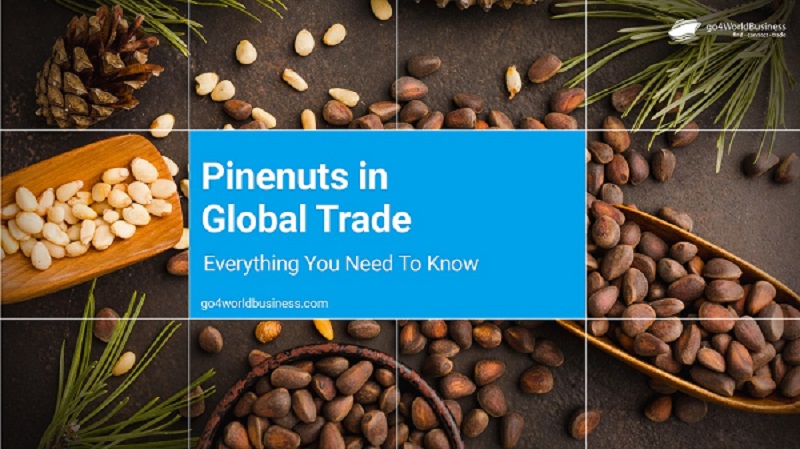
Pine nuts may sound like nuts, but they’re actually the edible seeds of pine trees. These small ivory-colored seeds (also known as pine kernels) are found inside pine cones. Popular as both a delicacy and a nutritional powerhouse, they were once a staple food for indigenous people in North America and a favorite of ancient Greeks and Romans. In fact, people used pine nuts for sustenance, trade, and even as medicine, which is why they became a staple food for the Roman Legions. Although their use in North America eventually declined due to competition from peanuts, pine nuts remain central to traditional cuisines across Asia, the Mediterranean, and the Middle East. One of the most famous varieties is the chilgoza pine from the Himalayan region, known for its rich taste and high oil content. Today, pine nuts have multiple culinary uses, from pesto sauce and gourmet dishes to bakery products, health foods, and confectionery. Moreover, they’re rich in protein, fiber, and healthy fats, making them as nutritious as they are versatile. Their rising demand as a superfood makes them highly valuable in global trade, connecting suppliers and pine nuts buyers across continents.
Did you know there are about 20 species of edible pine nuts? They vary in size, shape, and nutritional content. For example, American pine nuts are usually larger, while European varieties tend to be long and narrow. All pine nuts are rich in protein and healthy fats, but their exact macronutrient profile differs by species. To supply the right variety to buyers, it’s important to know the most commonly exported pine nut varieties, and here they are.
Different Types of Pine Nuts
Exporting these pine nut varieties alone may not be as profitable as offering a broader range of products. Supplying related products can help you attract more buyers and boost your exports and business growth. Here are some products you can offer alongside pine nuts:
When exporting pine nuts, you need to know everything about this valuable commodity. Every piece of information can help you make smarter decisions for your business. For example, did you know that pine nuts are expensive due to labor-intensive harvesting and high demand, and that they need to be stored in the refrigerator to maintain freshness? To succeed in the global market, you should understand the market size, top importing countries, and what buyers prefer. This knowledge will help you connect with the right buyers and optimize your export strategy.
Pine Nuts Global Market Size Data:
Source: Verified Market Research
Top Pine Nuts Importers Worldwide:
Source: Volza
Global Raw Pine Nuts Price Trends:
Recently, the average pine nuts price per kg has ranged between $59.51 and $81.76. However, it can vary depending on the pine nut variety and market conditions. Take a look at the price trends over the past few years from 2022 to 2024.
Source: Tridge
What Pine Nuts Buyers Prefer:
Pine nut importers and buyers usually look for uniform size and proper grading, high oil content with fresh flavor, compliance with food safety standards (HACCP, ISO, Organic), as well as moisture-free, air-tight packaging.
You can easily connect with reliable and verified pine nuts buyers through the following effective methods:
1. Which countries import the most pine nuts worldwide?
China, the United States, and Singapore import the most pine nuts worldwide.
2. Which country produces the most pine nuts?
China is the largest producer of pine nuts, followed by countries like Russia, Pakistan, and the United States (each region grows different pine nut varieties).
3. Do pine nuts require fumigation or pest control treatment before export?
Yes, many countries require pine nuts to undergo fumigation or pest control treatments in order to ensure that nuts are free from insects or contamination.
4. What is the usual packaging for pine nuts in export trade?
Exporters usually pack pine nuts in food-grade, air-tight bags, jars, or vacuum-sealed containers.
6. What is the shelf life of pine nuts for export?
Pine nuts usually last 6 to 12 months if stored in a cool, dry place or refrigerated. It is important to note that proper packaging can extend their shelf life and maintain flavor and nutritional quality.
7. Where can exporters find reliable pine nut buyers?
As an exporter, you can find pine nut buyers through B2B marketplaces like go4WorldBusiness, international trade shows, export promotion councils, nut associations, and LinkedIn networking.
8. What is the pine nuts HSN code?
The pine nuts HSN code depends on whether they are shelled or in shell. For in-shell variety, the HSN code is 08029100, while for shelled pine nuts, it is 08029200.
9. What is the price of pine nuts price per kg?
Recently, the pine nuts price per kg ranges from $59 to $82. However, it can vary depending on the variety, quality, and market conditions. Premium varieties like chilgoza pine can be priced even higher.
India recently cut the GST on pine nuts (along with other dry fruits & nuts) from 12% to 5%, effective September 22, 2025. This move makes pine nuts more affordable for buyers and could boost their competitiveness in the global market. (Full Story: TOI)