Product Description :
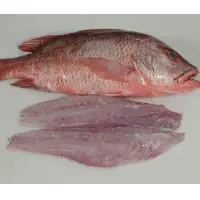
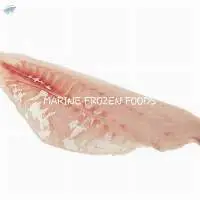
Red Snapper - Whole / GG/ Fillet
Price of product ( USD price or FOB price) :
"Whole GG - USD 8 - 12 USD per Kg (C&F)
Fillet - USD 14 - USD 17 per Kg (C&F)"
Product origin :
Sri Lanka
Key Specifications/Special Features :
"Type : Fesh & Chilled
Grade : A
Unit weight - As per requirement
Payment Term : Contact Seller
Air Freight
Certificates : DFAR / BRC"
Minimum Order Size and Packaging details "
"Minimum Order Qty - 500 Kgs and above
Packaging Details - as per requirement"
Japan is known for its extensive and high-quality seafood industry, and it exports a variety of fish to international markets. Some of the types of fish commonly exported from Japan include:
1. High Quality and Freshness:Japanese seafood is renowned for its high quality and freshness. The country's advanced fishing and aquaculture practices contribute to the superior taste and texture of its seafood products.
2. Expertise in Sustainable Fisheries:Japan has a strong commitment to sustainable fisheries management. Importers concerned about the environmental impact of fishing may choose Japanese seafood for its adherence to responsible and sustainable practices.
3. Culinary Excellence: Japanese seafood is a staple in global culinary scenes, particularly in sushi and sashimi dishes. Importers seeking top-notch ingredients for their high-end restaurants or markets may prefer Japanese fish for its culinary excellence.
4. Stringent Quality Control: Japan has strict quality control measures in place for its seafood industry. Importers can trust that the products they receive meet international food safety and quality standards.
5. Cultural Authenticity: Japanese seafood, deeply rooted in the country's culinary traditions, provides an authentic taste for consumers looking to experience traditional Japanese cuisine.
In summary, Japanese seafood, including various types of fish, is sought after in the global market due to its high quality, freshness, sustainable practices, and culinary excellence. Importers looking for premium seafood products may find value in sourcing from Japan.
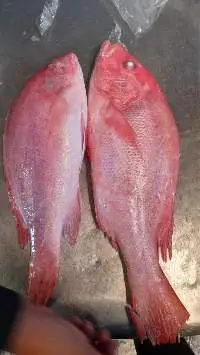
Malabar Red Snapper, scientifically known as Lutjanus malabaricus, is a premium marine snapper recognized for its firm white flesh, mild-to-sweet flavor and versatility in cooking. The U.S. FDA identifies Lutjanus malabaricus as Malabar Snapper, while Malabar Red Snapper and Malabar Blood Snapper are listed as vernacular names
Common Names : Malabar Snapper, Red Snapper, Malabar Blood Snapper
Origin : India
Product Form : Whole Round / Gilled & Gutted
Condition : Fresh / Chilled / Frozen
Premium-value marine snapper
Firm white flesh with delicate flavor
Easy to fillet and suitable for multiple cooking methods
Available in different commercial size grades
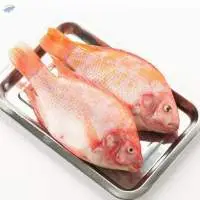
Fresh Snapper is a premium marine fish highly valued for its firm white flesh, mild sweet flavor, and excellent nutritional profile. It is widely supplied to seafood wholesalers, restaurants, hotels, supermarkets, and seafood processing companies. Export-grade Fresh Snapper is carefully caught, hygienically handled, rapidly chilled, and packed to preserve freshness, texture, and taste during transportation.
Color Bright Red to Pink Skin with White Flesh
Size 500 g-5 kg (custom sizes available)
Freshness Chilled (04C)
Processing Cleaned, Gutted, Scaled, Filleted (as required)
Shelf Life 7--10 days (under chilled conditions)
Origin Wild-Caught or Farm-Raised
Storage Temperature 0-4C
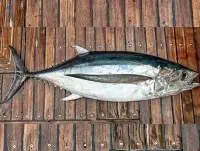
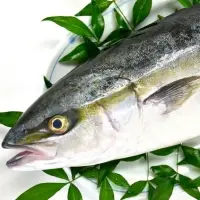
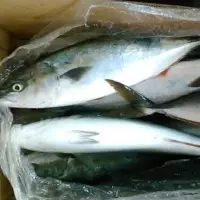
Yellowtail Scad
Also popular as the one finlet scad, the yellowtail scad is a fish that is most often seen inhabiting the Indo Pacific region from Africa to Japan, Australia and Hawaii. Its highly prominent adipose eyelet and finlet type extensions make it distinct from other fishes in this species. You will find the Yellowtail scad near the coastal areas and preying upon crustaceans and small fishes.
Many fisheries nurture this fish and it is usually caught using the netting and hook and line methods. Normally this fish is considered extremely prized and consumed with fervour in most regions where it is found. Both its jaws have a single row of teeth however in slightly older ones you may see two or three lines of teeth. Itâ??s caudal and dorsal fins would be yellowish green in colour and the pelvic fins are white while rest of the fins are hyaline.
The Yellowtail scad is very popular among humans and in countries like South Arabia, Malaysia its catch is too high. Most of its catch happens in the months between January and April In countries of South East Asia this fish is cooked by boiling, steaming and frying. It can also be preserved using methods like drying and salting.
PACKING
1 X 10 KG IF
SIZES
U/5, 4/6, 6/8, 8/12, 12/15, 15/18