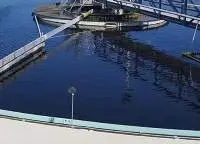
Clean and Hygienic fresh drinking water. Source : Fresh Water Reservoir
Our water tanks are made of stainless steel which is ideal in carrying water to avoid any form of bacteria to infiltrate the water and ensures the best quality is maintained.
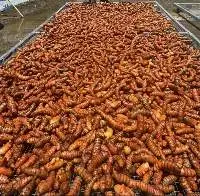
we are turmeric exporter from Fiji we are currently looking Market in USA we can supply you with good quality turmeric if you are interested we can send you minimum of 100bags each bags consisting of 15kg
381 Other Fresh Shellfishes Suppliers
Short on time? Let Other Fresh Shellfishes sellers contact you.
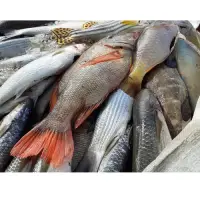
Reef fish are products of local wholesalers from Lomaiviti Group, Totoya, Moala, Ra and primary suppliers around the Vanua Levu corridor, where a mini branch is located
All reef fish purchased are later graded into 3 categories specifying its quality and its purchasing price. Grade A fish are bought at $7.00 a kg; grade B are bought at $6.00 a kg; and grade C at $5.00 a kg. After grading the fish is then weighed, washed and distributed for local and overseas orders. Fish that is prioritised for overseas orders include Sabutu, Kawakawa, Kawago, Walu and Salmon Chord, while the rest are for local supplies
The beauty of Fiji shines through in the purity of its fresh produce. Our vast lands and tropical climate conditions are ideal for growing the highest grade of turmeric. The pure Fijian rain keeps our grounds at a Ph level of 7, promising a rich source of nutrients. Harvested in black clay loam and red soils, our turmeric grows in its natural habitat, undisturbed by mankind.
Our natural Fiji environment provides the ideal conditions for farming throughout the year, and yields the highest grade of this spice.
Hills provide a natural water flow system, which allows turmeric to be watered without accumulation, which would otherwise deteriorate the turmeric. The Fijian lands are perfect as they are without the need for commercial farming. We can produce turmeric without man- made energy, through sustainable farming. The untouched and undeveloped territories allow us to keep our produce pure and natural.
We provide premium organic Fiji turmeric in custom or generic food grade bags or corrugated boxes.
Ginger is sold at $10 US cleaned and washed depends on which one the buyer prefer
Either fully grown 12 months brown ginger or immature 6 months baby ginger -mostly used for juice and sweets'
What is the maximum price your company can give for a kilogram of fresh washed green/baby ginger'
Our Fresh wild organic turmeric is found in abundance in lush tropical foothills of interior Fijian communities growing wildly as a natural process. Fiji's tropical climate with abundance of sunshine, untouched minerals, tropical rainwater and enriched volcanic soils makes our turmeric highest of quality and organic in nature. Therefore, you can be rest assured that our turmeric is 100% free from any sprays, pesticides, fertilizers and other form of artificial inputs. It is excellent choice for manufacturers of beverages, health care products, dietary supplement products and for medical uses. There is a never ending list of potential benefits of turmeric and its uses.
We are wholesalers of Organic FDA approved Turmeric and Ginger. Shipped straight from our farm in the beautiful islands of Fiji to your warehouse.
Our main area of export is the US however we are looking to expand our footprint and would like to see how we can accomodate worldwide requests. To give you a sample of the prices we charge - our Tumeric is at $20 USD per kilo. This is based on Air Freight from Fiji - San Francisco/Los Angeles/Dallas.
We could tailor logistic solutions based on our National Airline to get products air freighted to the closest port to the product destination before shipping to ensure timely delivery.
Please feel free to contact me should you have any queries via email or phone. Samples of our product are available on request. Incoterms are negotiable.
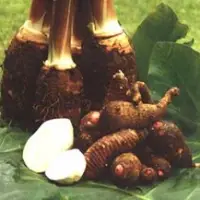
The pink taro is processed befor bulk packed into 30kg bags and sent in 20 footer containers. Total number of 30kg bags in a container will be 430bags.
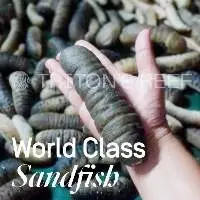
WORLD-CLASS SANDFISH FROM FIJI
Naturally grown in a free-range environment with each harvest, our Sea Cucumbers benefit from the pure and protected coastal habitats of Fiji where they thrive, resulting in superior quality. Each harvest is replenished from our sustainable hatchery program.
--- 8cm - 10cm per piece
--- 70-100 grams per piece
--- 9-15 pieces per kilogram
--- 95% dry
PACKAGING DETAILS
Corrugated cardboard box - Approx. load guide 10kg - 39.5 x 25 x 7.2 cm
--- Length 39.5 cm / 395 mm
--- Width 25 cm / 250 mm
--- Height 7.2 cm / 72 mm
Samples are available for serious inquiries!
QUANTITY AVAILABLE
--- Minimum order quantity 1 ton
--- Maximum order quantity 20 ton
--- All orders are fulfilled in custom 10 kilogram corrugate boxes.
QUALITY STANDARDS
We adhere to eco-friendly and sustainable mariculuture methods that prioritize the well-being of the marine environment. Our breeding and cultivation techniques are designed to produce optimal conditions for sea cucumbers as they mature. We replace what we harvest and monitor natural fishery development to ensure a healthy and thriving habitat continues. We do so with the approval and respectful adhearence to the requirements of the Ministry of Fisheries department of the Fijian government.
CLEANING & PRE-TREATMENT
Removal of Viscera: After harvesting, the sea cucumbers/sandfish are carefully processed to remove the internal organs, ensuring that only the high-quality meat is retained for export.
Washing and Soaking: The sea cucumbers/sandfish undergo thorough washing and soaking processes to eliminate impurities and reduce microbial contamination.
DRYING PROCESS
--- Sun Drying: In this method, the cleaned sea cucumbers/sandfish are sun-dried, leveraging natural sunlight to dehydrate the products. This traditional approach is often used in regions with suitable climatic conditions for solar drying.
--- Air Drying: Alternatively, air drying involves the use of controlled airflow and temperature to gradually remove moisture from the sea cucumbers/sandfish while preserving their nutritional content.
FREEZING PROCESS
--- Freezing: The sandfish are initially frozen at very low temperatures to solidify the water content within the product.
--- Dehydration: The frozen sandfish are then placed in a freeze-drying chamber where the ice transitions directly from solid to vapor, bypassing the liquid stage. This process, known as sublimation, removes the frozen water without causing significant damage to the cellular structure or nutritional components of the product.
PRICING
Please let us know your desired order quantity and frequency, and we will provide you with a price quote and further information. Thank you for your interest!
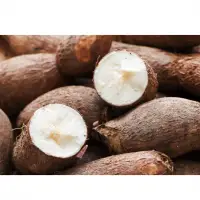
Cassava is a crop that grows all year round and is consumed mostly by Pacific Islanders. It has a high value in starch and is a good source of Vitamin A and Vitamin C. It is a crop that sustains most families in their livelihood and is a source of income to most rural farmers. Cassava is exported to New Zealand, Australia, Canada and to other Pacific Islands.
The Agricultural Marketing Authority sources its Cassava from the two main Islands in Fiji and is reaching unreachable areas that do not have access to any market outlets. To assist our rural farmers, AMA has a policy to grade, weigh and pay farmers at the farm gate before it is transported for processing at the Warehouse. It is than peeled, washed and stored in blast freezes with temperature of minus 18 to 21 degrees for 24hours before it is packed for export and local markets.
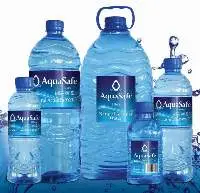
Notice how soft AquaSafe is on the palette You WILL notice the difference between AquaSafe and others Perhaps its the especially low total dissolved solids TDS in the water perhaps it is the natural flavour from the geology of this remarkable aquifer Its source is deep beneath our tropical rainforest in the South Pacifics pristine Namosi mountains in the Fiji Islands
See if you find AquaSafe as soft and silky on the palette as many of our customers do The entire water catchment area for AquaSafes artesian aquifer is isolated from any and all human activity Only the quiet sound of birds rustling of tropical breezes and the babbling of the creeks that flow 247365 You see it rains all year round a staggering 45 metres of rainfall annually And AquaSafe is sourced from deep below that land our very own lowland tropical rainforest in Fiji
Taro [also known as Dalo] is grown all year round in Fiji and is a stable food crop to majority of Fiji's population. It is a crop that is grown mechanically and traditionally and contains large amount of Vitamin A, /Vitamin B1, Vitamin B2 and Vitamin C. Taro is a crop planted by most families and is a source of income to most rural farmers. Taro is exported to New Zealand, Australia, Canada and other Pacific Islands.
Agricultural Marketing Authority sources it supply from the two main islands in Fiji and is touching the very untouchable areas that do not access to any market. To assist our rural farmers, AMA has a policy to pick, weighed and pay at farm gate before it is transported to the Warehouse. It is peeled, washed and is stored in blast freezers with temperatures of minus 21 degrees for 24 hours before it is packed for overseas and for our local markets
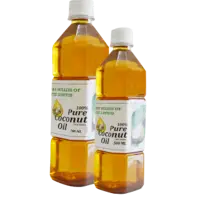
Coconut Oil is extracted from the kernel or meat of matured coconut harvested from the coconut palm. Throughout the tropical world, it has provided the primary source of fat in the diets of millions of people for generations. It has various applications in food, medicine and industry. What make coconut oil different from most other dietary are the basic building blocks or fatty acids making up the oil. Coconut oil is composed predominately of a special group of fat molecules knowns as medium chain fatty acids(MCFA). The majority of fats in human diet are composed almost entirely of long chain fatty acids(LCFA)
The coconut palm is and integral part of pacific identity;its is also the source of one of our greatest natural products - Virgin Coconut oil. Virgin Coconut Oil is becoming recognised both locally and internationally for its wonderful natural health benefits and its ability to generate meaningful employment for our rural island communities.